
Lost Pet Singapore: 5 Steps to Bring Them Home
Losing a pet can make it difficult to think clearly, especially during the first few hours. A fast, organised response gives you the best chance of sharing accurate information with the right people. Record the last known location, prepare a clear description, and ask others to search different areas.
If your pet is missing in Singapore, submit AVS’s Lost Report, call the Animal Response Centre (ARC) on 1800-476-1600 and notify SPCA. Then search nearby areas, distribute flyers, contact veterinary clinics and share accurate posts online. A microchip and current PALS or AVS registration can help authorities reunite your pet with you.
This guide explains three practical problems:
- Who to contact immediately and what information to provide
- How to widen the search without creating confusion
- What happens if AVS impounds your pet, or if you find another person’s animal
The moment you realise your pet is missing: who to call first
The bottom line is simple: report the disappearance promptly, then give every organisation the same accurate details. AVS advises owners to complete the Lost Report at go.gov.sg/lostpet, contact the ARC and contact SPCA. These reports create several routes for people to identify your animal.
Call the ARC on 1800-476-1600. You can also contact SPCA Singapore on (65) 6287 5355 for lost-animal enquiries. The ARC is the main contact listed by AVS for missing and found pets.
Before calling, write down the information below. This prevents mistakes when you feel rushed.
| Information to prepare | What to include |
|---|---|
| Last known location | Postal code and specific area |
| Timing | Date and time last seen |
| Identification | Name and microchip number, if known |
| Appearance | Breed, age, sex, colour and distinctive markings |
| Accessories | Collar, harness, lead or ID tag |
Ask one person to manage reports and incoming messages. Another person can search the immediate area. Keep your phone available, because a finder may call from an unfamiliar number. If someone reports a possible sighting, record the exact location, time and direction of travel rather than relying on memory.
The AVS missing-pet page was last updated on 1 October 2026 and remains the key government source for this process (Animal and Veterinary Service, 2026).
Lost Pet Singapore: broaden the search with local help
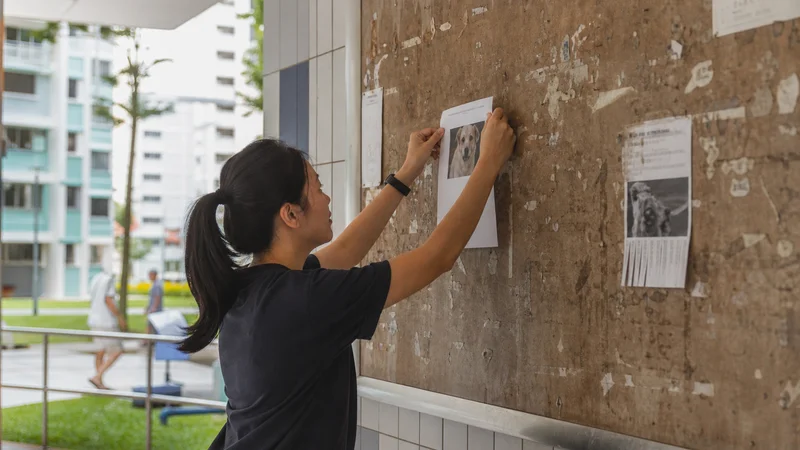
The bottom line is to combine physical searches with permission-based notices and consistent online posts. AVS recommends putting up flyers around the neighbourhood, and asking permission before placing them at veterinary clinics or pet shops. It also recommends social media, local group chats and newspaper classified advertisements.
Use one photograph and one clear description across every channel. Include the pet’s name, species, colour, sex, distinctive markings, last-seen location and your contact number. Avoid adding unverified details, such as a guessed route or a claim that the animal is injured.
A useful search pack contains:
- Printed flyers and removable tape
- A torch for checking sheltered areas
- Your pet’s lead, carrier or familiar food
- A written sighting log
- A charged mobile phone and power bank
Search close to the last known point before spreading further. Check places where a frightened animal might remain hidden, but do not create unsafe situations near traffic or private property. Ask nearby residents, security staff and delivery workers whether they saw the animal during the relevant time window.
Use a simple log with four columns: time, location, person searching and result. Therefore, different volunteers can avoid repeating the same route. Remove or update posts when the pet returns, so that outdated reports do not generate unnecessary calls.


Pet Health Map App
Turn every worry into your pet’s health record
Download the app to save AI Care reports, build your pet’s medical profile, and keep tracking symptoms and care notes.
Android version coming soon. The web version is available now.
Why microchipping and PALS registration matter for reunification
The bottom line is that permanent identification helps connect an animal with its owner when a finder or authority checks the pet. AVS states that a microchipped and PALS-registered or AVS-registered animal can be traced back to its owner quickly.
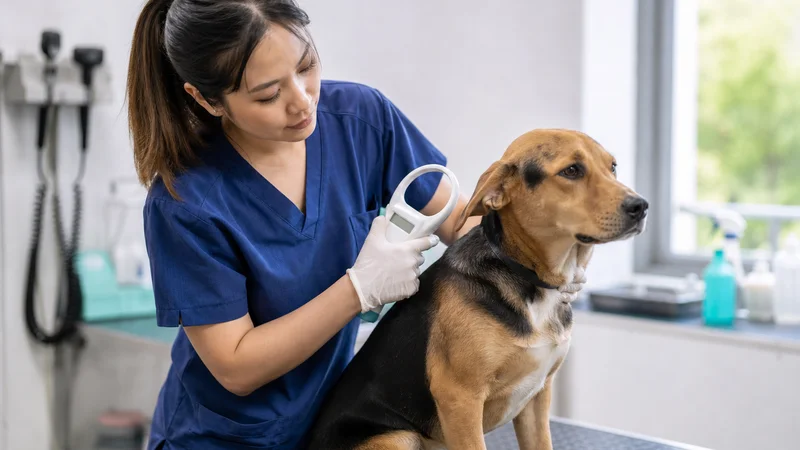
A microchip does not act like a live location tracker. Instead, a veterinary clinic or authorised service can scan the animal for its identification number. That number must then link to current owner details in the relevant registration record.
Singapore’s Animals and Birds (Licensing and Control of Cats and Dogs) Rules 2024 require pet dogs and cats to be licensed. The licensing and registration details should remain current, particularly after a change of telephone number, address or ownership. The requirement and reunification guidance come from AVS (Animal and Veterinary Service, 2026).
Before an animal goes missing, check these details:
- Confirm that the microchip number matches your documents.
- Check that your telephone number remains current.
- Keep a recent photograph showing the face and body markings.
- Store vaccination, licensing and adoption records together.
- Ask your veterinary clinic how to confirm the microchip record.
A collar and ID tag still provide immediate visual information. However, collars can come off or become difficult to read. A microchip offers a separate identification route when the animal reaches a clinic or AVS facility. For the full mandatory microchipping requirements and clinic cost ranges, see our pet microchip Singapore guide.
Do not delay reporting while searching for paperwork. Submit the available details first, then provide the microchip number or other information when you confirm it.
AVS impoundment fees and how to claim your pet
If AVS has impounded your pet, call the ARC to arrange an appointment before travelling to the Animal Management Centre. AVS houses impounded animals at 57 Sungei Tengah Road, Singapore 699013. The listed appointment hours are Monday to Thursday, 8:30am–5:30pm, and Friday, 8:30am–5:00pm. The centre closes at weekends, on public holidays and from 1:00pm–2:00pm for lunch (Animal and Veterinary Service, 2026).
AVS lists these fees for claiming an impounded animal:
| Item | Listed fee |
|---|---|
| Dog impoundment | S$93 |
| Cat impoundment | S$47 |
| Microchipping | S$20 |
| Boarding | S$16.50 per animal per night |
Payment is by NETS, credit card or PayNow only, according to AVS. Fees can change, so confirm the current amount and appointment requirements with the ARC before attending.
Take identification and any ownership or registration records that you have. Bring a suitable lead, harness or carrier. If your pet needs medication or has a medical condition, write down the relevant details for staff.
Do not assume an online sighting confirms that AVS holds your animal. Verify the location and description with the ARC. Likewise, do not visit the centre outside its listed hours without an appointment. A quick phone call can prevent a wasted journey.
Found someone else’s missing pet? Here’s what to do
The bottom line is to secure the animal safely, report the find and arrange a microchip scan. AVS advises contacting the ARC on 1800-476-1600 and providing the postal code, date and time found, accessories and physical description. You should also inform animal groups such as SPCA.
Keep the animal away from hazards and other pets where possible. Use a carrier or secure lead suited to the animal. Avoid chasing a frightened dog or cat, because sudden movement can cause it to run into traffic or hide.
Take the animal to a veterinary clinic for a microchip scan. If the chip is registered with AVS, AVS can trace it to the owner. A scan does not guarantee an immediate reunion, so continue with the official report and local search methods. If the animal instead shows signs of neglect or abuse rather than simply being lost, follow our separate guide on how to report animal cruelty in Singapore.
You can help locate the owner by:
- Sharing a factual post in local group chats
- Displaying a flyer near the found location
- Contacting SPCA with the animal’s details
- Recording the exact time and place you found the pet
- Keeping photographs focused on identifying markings
The SPCA lost-and-found form requests the animal’s species, name, breed, gender, colour, age, microchip number, unique features, location, date and photographs (SPCA Singapore, 2026). Do not publish every identifying detail if doing so could allow someone to make a false claim. Ask potential claimants for information that only the genuine owner should know.
Conclusion: keep a ready-to-use missing-pet plan
A lost pet Singapore response works best when you act quickly and keep information consistent. Submit the AVS Lost Report, call the ARC and contact SPCA. Then record sightings, search nearby areas, distribute approved flyers and share clear posts.
Save the ARC number in your phone before you need it. Keep your pet’s microchip number, registration details, photographs and distinctive markings in one accessible file. If AVS impounds your animal, arrange an appointment and confirm the current fees before travelling. If you find a pet, secure it, report it and arrange a microchip scan. These small preparations can reduce delays when every accurate lead matters. If your search does not succeed and you later decide to welcome a new companion, our Singapore pet adoption guide explains the screening and licensing steps.