
Report Animal Cruelty Singapore: 5 Clear Steps
To report animal cruelty Singapore, call the AVS Animal Response Centre on 1800-476-1600 if an animal faces immediate danger, or submit non-urgent cases through avs.gov.sg/feedback or [email protected]. You can also contact the SPCA emergency hotline on 6287 5355 ext 9. Record the location, date, time and observable facts, but do not confront the suspected abuser.
Seeing an animal suffer can leave you unsure whether to intervene, document the situation or contact the authorities. Singapore has separate channels for urgent abuse, welfare concerns, noise complaints and suspected offences. Choosing the right route helps investigators act on useful information while protecting your safety.
How to report animal cruelty Singapore: choose the right channel
The bottom line is simple: contact AVS for suspected cruelty or urgent welfare cases, while SPCA provides an alternative reporting and welfare-investigation channel. However, barking and general noise complaints usually belong with the relevant Town Council or Neighbourhood Police Centre, not an animal-cruelty report.
Use this quick decision table before contacting anyone:
| Situation | Best contact |
|---|---|
| Animal faces immediate or ongoing danger | AVS Animal Response Centre: 1800-476-1600 |
| Suspected cruelty that is not urgent | AVS feedback form or email |
| You need an alternative welfare-reporting channel | SPCA: 6287 5355 ext 9 |
| Dog barking or neighbourhood noise | HDB Town Council or Neighbourhood Police Centre |
| Serious danger involving people as well as animals | AVS and, where appropriate, the police |
AVS says people can report suspected animal welfare cases through its feedback form, by calling the Animal Response Centre, or by emailing [email protected] for non-urgent feedback. (AVS, NParks; source accessed 2026.)
SPCA Singapore receives an average of 80 to 90 alleged cruelty reports each month. Nevertheless, SPCA does not hold enforcement powers under the Animals and Birds Act. It refers serious cases to AVS or the police. (SPCA Singapore; source accessed 2026.)

Who has authority: AVS versus SPCA
AVS is the statutory enforcement agency for animal welfare matters in Singapore. SPCA can receive reports, assess welfare concerns and refer serious or unresolved cases, but it cannot prosecute under the Animals and Birds Act.
The distinction matters because many people assume that a charity can directly seize an animal or charge an offender. Instead, AVS operates under NParks and handles the statutory enforcement pathway. Therefore, send suspected offences to AVS even if you also contact SPCA for support or advice.
SPCA may still be useful when:
- You need to report an animal welfare concern through its hotline.
- You are unsure whether the situation meets the threshold for a formal report.
- You want an animal-welfare organisation to receive information.
- The case requires referral to AVS or the police.
Avoid sending the same report repeatedly without adding new evidence. Instead, provide one clear account and retain your reference details, screenshots or email copy. If the animal remains in immediate danger, call AVS rather than relying only on an online form.
The Animals and Birds Act 1965 forms the primary legal framework for animal welfare, cruelty and licensing in Singapore. (Singapore Statutes Online, Attorney-General’s Chambers, 1965.) That framework explains why AVS, rather than SPCA, leads statutory enforcement.


Pet Health Map App
Turn every worry into your pet’s health record
Download the app to save AI Care reports, build your pet’s medical profile, and keep tracking symptoms and care notes.
Android version coming soon. The web version is available now.
Document evidence before you report
Useful evidence should show what happened, where it happened and when it happened. Therefore, write down observable details before memory fades, especially if the situation continues over several days.
A practical FACT check can keep your report focused:
- F — Facts: Describe what you directly saw or heard.
- A — Animal: Note the species, number, apparent condition and identifying features.
- C — Context: Record the date, time, exact location and whether the conduct continues.
- T — Trace: Preserve photographs, video, messages, witness details and previous report references.
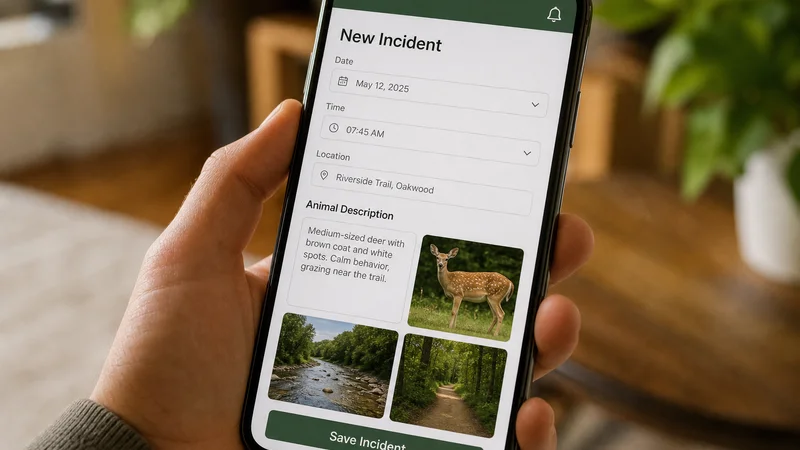
Photograph or record only from a safe and lawful position. Do not enter private property, trespass, threaten anyone or put yourself between an animal and a suspected aggressor. In addition, avoid editing the original files. Keep the original photographs or videos, then attach copies if the reporting form allows it.
Your report should answer these questions:
- What did you observe personally?
- When did it happen?
- Where can officers locate the animal?
- Is the animal still at risk?
- What evidence can you provide?
- Can anyone else confirm the observation?
Do not diagnose injuries unless a qualified professional has done so. Instead of writing “the dog has internal bleeding”, record visible facts such as “the dog was lying on its side, breathing heavily and unable to stand”. This gives investigators a clearer starting point.
What counts as cruelty under Singapore law?
The Animals and Birds Act 1965 is the main Singapore legislation governing animal welfare, cruelty and licensing. Suspected physical abuse, neglect, abandonment and inhumane trapping may justify a report, particularly when the conduct causes suffering or places an animal at continuing risk.
However, a reporter does not need to decide whether a criminal offence has occurred. That assessment belongs to the relevant authorities. Your role is to provide accurate observations and explain why you believe the animal needs help.
Consider reporting when you observe:
- Physical beating, kicking or other deliberate violence.
- An animal left without essential care or in dangerous conditions.
- Abandonment or apparent refusal to provide necessary care.
- Trapping methods that cause avoidable suffering.
- Repeated conduct that leaves an animal injured, distressed or exposed to danger.
Context matters. A single photograph may not show whether an animal is receiving treatment, temporary restraint or necessary care. Therefore, include repeated observations, surrounding conditions and any information that clarifies the timeline.
You should also separate welfare concerns from ordinary disputes. A neighbour’s barking may create a genuine nuisance, but SPCA identifies dog barking and noise complaints as matters for the area Town Council or Neighbourhood Police Centre. (SPCA Singapore; source accessed 2026.) Sending a noise complaint through the wrong channel may delay a response.
Penalties for animal cruelty convictions
The available parliamentary and court reporting sources state that first-time animal-abuse offenders can face a maximum fine of S$15,000 and/or imprisonment under the Animals and Birds Act. (Singapore Government Parliamentary Q&A archive, telescope.gov.sg; source accessed 2026.)
The Straits Times reported that, following a 2020 amendment, the maximum punishment for a first-time animal-cruelty offender became 18 months’ imprisonment and a S$15,000 fine. (The Straits Times, 2020 amendment report.) These are maximum penalties, not an automatic sentence for every case.
Several factors can affect what happens in an individual matter, including the evidence, seriousness of the conduct and court findings. Consequently, do not promise another reporter that an offender “will go to prison” or that authorities “must remove” an animal.
A report supports an investigation; it does not guarantee a prosecution. Similarly, AVS may respond in different ways depending on the facts, such as:
- Requesting more information or evidence.
- Inspecting the location or animal.
- Issuing advice or directions.
- Referring serious matters to the police.
- Taking enforcement or prosecution steps where the evidence supports them.
Do not exaggerate a report to make it sound more serious. Clear, verifiable details usually help more than dramatic language.
What happens after you report animal cruelty Singapore?
After you report animal cruelty Singapore, AVS or SPCA may review the information, assess urgency and decide whether further investigation or referral is appropriate. The response may depend on the animal’s current risk, the quality of the evidence and whether officers can identify the location or parties involved.
Prepare for a possible follow-up by keeping:
- Your submitted form, email or call details.
- Original photographs and videos.
- A dated incident log.
- Names or contact details of willing witnesses.
- Any new information about continuing danger.
If the situation changes, send an update through the relevant channel. For immediate danger, call the AVS Animal Response Centre again rather than waiting for an email response. Meanwhile, avoid posting identifying allegations on social media. Public accusations can complicate an investigation and create a confrontation.
SPCA states that serious cases may be referred to AVS or the police. It also says it does not have enforcement powers under the Animals and Birds Act. (SPCA Singapore; source accessed 2026.) Reporter details are generally protected, but you should ask the receiving organisation how it handles confidentiality in your circumstances.
If you fear retaliation, say so when you make the report. Give authorities a safe way to contact you, and do not attempt to investigate privately. Your most helpful contribution is an accurate record that allows the proper agency to assess the risk.
Make a safe, evidence-led report today
To report animal cruelty Singapore effectively, act promptly but stay within your role. Call AVS on 1800-476-1600 for urgent or ongoing danger. For non-urgent cases, use the AVS feedback form or email [email protected]. You can also contact SPCA on 6287 5355 ext 9, while sending barking or noise complaints to the appropriate Town Council or Neighbourhood Police Centre.
Use the FACT check: record the facts, identify the animal, explain the context and preserve the traceable evidence. Do not confront the suspected offender or enter private property. Make your report today, then keep your records available for follow-up.