Licensed Pet Shop Singapore: Check Before You Buy
Buying an animal from an unlicensed seller can leave you with unclear paperwork, poor welfare information and difficulty tracing the business later. A quick licence check helps you separate a legitimate shop, farm or breeder from a seller who cannot show current authorisation.
A licensed pet shop or farm in Singapore holds a current AVS (Animal & Veterinary Service) licence issued under the Animals and Birds Act rules. Before buying, check the seller against AVS's public registry of licensed pet shops or ask to see the licence certificate and number on display.
This guide helps you solve three practical problems:
- understanding what an AVS licence covers;
- comparing a pet shop with a commercial farm or breeder; and
- verifying the seller before you pay a deposit.
What “licensed pet shop Singapore” actually means
The bottom line is simple: an AVS licence confirms that the premises operate under Singapore’s licensing framework. It does not replace your own checks on the animal, seller or purchase documents.
The relevant legal framework is the Animals and Birds (Licensing of Premises for Pet Shop and Other Purposes) Rules. Singapore Statutes Online records the latest amendment as taking effect in 2024 (Singapore Statutes Online, 2024).
An AVS-licensed pet shop is a business authorised to operate premises for the relevant pet-shop activity. A farm or breeder selling animals for commercial, non-food purposes follows a separate licensing route. Therefore, do not assume that a breeder should appear in the pet-shop registry.
Use this distinction when you search:
| Seller type | What to verify | Useful AVS source |
|---|---|---|
| Retail pet shop | Current shop licence and matching business details | Public registry of AVS-licensed pet shops |
| Commercial farm or breeder | Licence to farm or breed animals for non-food purposes | Seller’s licence and AVS application route |
| Online seller | Physical premises and relevant authorisation | Ask where the animals are housed and verify the operator |
The licence is a starting point, not a guarantee that every animal suits your household. You still need to assess age, health history, behaviour, identification and after-sale support.
Why an AVS licence matters when you buy
The licence matters because it gives you a traceable starting point before money changes hands. You can identify the premises, ask for supporting information and compare the seller’s claims with an official AVS record.
AVS publishes a downloadable PDF registry of licensed pet shops. The registry allows buyers to check whether a named shop holds AVS authorisation before purchasing an animal (AVS, 2026).
However, a registry search should match the business you are visiting. Compare:
- the shop’s trading name;
- the physical address;
- the company or operator name, where provided;
- the licence status and date; and
- the seller’s explanation if details do not match.
A social-media page may use a polished brand name that differs from the legal business name. Consequently, ask the seller to clarify the relationship before you pay a deposit.
An AVS licence also does not answer every welfare question. It will not tell you whether a particular dog or cat has a complete medical history, whether its temperament suits your home or whether the seller offers transparent support. Treat the licence as your ABCD check:
- Authorisation — does AVS list or licence the premises?
- Business match — do the name and address agree?
- Condition — can you inspect the animal and records?
- Documents — will the seller provide clear written details?


Pet Health Map App
Turn every worry into your pet’s health record
Download the app to save AI Care reports, build your pet’s medical profile, and keep tracking symptoms and care notes.
Android version coming soon. The web version is available now.
How pet shops get licensed: training, documents and fees
A pet shop operator must complete AVS-recognised structured training in pet welfare and animal management before AVS grants the licence. AVS gives Temasek SkillsFuture Academy as an example of a recognised training route, and the training certificate remains valid for life (AVS, 2026).
The application also involves more than paying a fee. AVS states that operators must obtain relevant URA, HDB and ACRA approvals, submit documents through the GoBusiness Dashboard and complete an AVS premises inspection. Approval typically follows within three working days after the documents, inspection and payment are complete (AVS, 2026).
For the buyer, these requirements offer useful questions. Ask the shop:
- whether the premises operate under a current AVS licence;
- whether the listed business name matches the seller’s invoice;
- how the animals entered Singapore, where relevant;
- which records will accompany the animal; and
- what happens if a pre-existing problem appears after purchase.
AVS lists the pet-shop licence fee as S$126, plus a non-refundable S$94.50 application fee. The licence lasts one year and requires annual renewal (AVS, 2026). These are operator licensing costs, not a standard charge that a shop may automatically add to your purchase.
A current licence still deserves a date check. If the seller says renewal is pending, ask for written confirmation and contact AVS before proceeding.
How pet farms and breeders differ from shops
A commercial farm or breeder needs a different licence when it farms or breeds non-food-producing animals for commercial purposes. Therefore, a breeder may not appear in the public pet-shop list even when it operates legitimately.
AVS lists the licence to farm or breed animals for commercial, non-food purposes at S$100 per year, with annual renewal (AVS, 2026). The application involves supporting documents, an AVS premises inspection and payment of the licence fee.
AVS identifies documents that commonly support this application:
- a premises layout plan;
- a tenancy agreement;
- an ACRA business profile;
- the applicant’s NRIC;
- a Medisave payable statement;
- a training certificate; and
- an animal husbandry or business plan.
These requirements help you ask better questions, but you should not demand private documents without a clear reason. Instead, request the licence details and ask to view the premises where the animal was bred or raised, if the seller claims to be a breeder.
A useful comparison is:
| Question | Pet shop | Farm or breeder |
|---|---|---|
| Main role | Retail sale from licensed premises | Commercial breeding or farming |
| Registry check | AVS public pet-shop PDF | Ask for the relevant farm or breeding licence |
| Key visit | Inspect retail premises and records | Ask where breeding animals and young animals live |
| Licence cycle | One year, annual renewal | One year, annual renewal |
Do not confuse a breeder’s marketing language with official authorisation. “Home breeder”, “private seller” or “family-raised” does not by itself prove that the operator has the required licence.
How to verify a licence before handing over money
The safest point to check is before you pay a deposit. Save a screenshot or PDF of the AVS registry entry, record the seller’s address and keep all messages in one folder.
Follow this short process:
- Find the exact premises. Ask for the full address, not only a social-media handle.
- Check the AVS public registry. Search the downloadable list of licensed pet shops.
- Compare identities. Match the trading name, address and invoice details.
- Ask about the licence type. A farm or breeder may use a different authorisation route.
- Inspect the animal and records. Ask for vaccination, microchip and veterinary documents where applicable.
- Get terms in writing. Record the animal’s identity, price, deposit, collection date and promised documents.
- Pause if answers conflict. Contact AVS before transferring money.
Keep a simple buyer record with the animal’s species, sex, colour or markings, microchip number, date of birth if supplied, seller’s details and every document received. This prevents confusion when several animals look similar.
Also check the conditions of your home before buying. For example, HDB residents should confirm whether the animal meets current housing requirements. You can also review guidance on HDB-approved dog breeds in Singapore.
Red flags that may indicate an unlicensed operator
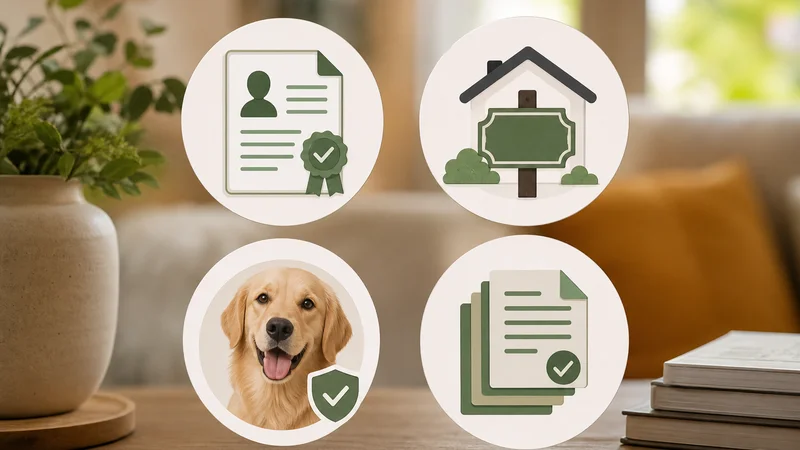
A red flag is not proof of illegal activity. It is a reason to stop, ask for evidence and avoid rushing into payment.
Be cautious when a seller:
- refuses to provide a full premises address;
- says an AVS check is unnecessary;
- shows a logo rather than a licence detail;
- offers to meet at a car park or undisclosed location;
- pressures you to pay immediately;
- will not identify the animal clearly on the receipt;
- gives inconsistent business names; or
- cannot explain whether it is a shop, farm, breeder or private seller.
Online urgency can make sensible checks feel inconvenient. However, a genuine seller should understand why you want traceable information before purchasing a live animal.
Do not rely on reviews alone. Reviews may describe customer service, but they do not replace the AVS registry or the relevant licence check. Similarly, attractive photographs cannot confirm an animal’s history.
If the seller claims to be licensed but the details do not match, save evidence without confronting the operator aggressively. Keep screenshots, advertisements, payment requests, receipts and the date of your visit. This record can help AVS assess the concern.
What to do if you suspect an unlicensed operator
If you suspect a seller lacks the necessary authorisation, do not complete the purchase simply to “rescue” the animal. That payment may make the situation harder to assess and can leave you without reliable records.
Prepare a concise report containing:
- the seller’s name and contact details;
- the premises address or meeting location;
- the date and time;
- the animal species and number involved;
- screenshots or advertisements;
- payment instructions or receipts; and
- the specific licence detail that appears missing or inconsistent.
Then contact AVS through its current official channels and ask how to submit the information. Check the current contact route on the AVS website, because reporting instructions can change.
You can also review the difference between purchasing and adopting in our Singapore pet adoption guide. Adoption follows a different process and should not be treated as a substitute for checking a commercial seller.
If the issue concerns the animal’s ownership, licensing or permitted species, use current Singapore guidance rather than overseas advice. The rules can differ by species and situation, so check the latest local requirements before acting. Our guide to legal pets and AVS restrictions in Singapore may help you identify the next question to ask.
Conclusion: use the licence check before you buy
A current AVS authorisation is the essential starting point when choosing a licensed pet shop Singapore buyers can verify. Check the public AVS registry for shops, ask breeders about the correct farm or breeding licence and match the seller’s identity with the premises and paperwork.
Use the ABCD check: authorisation, business match, animal condition and documents. Then save the listing, receipt and records before paying. If anything does not match, pause and contact AVS through its current official website. A careful check takes less time than resolving unclear ownership, missing records or an untraceable seller after purchase.