Legal Pets in Singapore: AVS List and Bans
Choosing a pet in Singapore involves more than checking whether a species is available in a shop. AVS rules distinguish approved companion animals, permitted wildlife and prohibited species. Housing type, breed conditions and household limits also matter, particularly for HDB residents.
What pets are legal in Singapore? AVS permits dogs, cats, rabbits, mice, hamsters, guinea pigs, gerbils, chinchillas, selected wildlife, most birds, most fish and many invertebrates. However, hedgehogs, sugar gliders, slow lorises, snakes, tortoises, lizards, salamanders, axolotls, tarantulas, scorpions and piranhas are prohibited.
This guide solves three common problems:
- identifying species that AVS approves;
- understanding why popular exotic pets remain banned; and
- checking household limits before you buy or adopt.
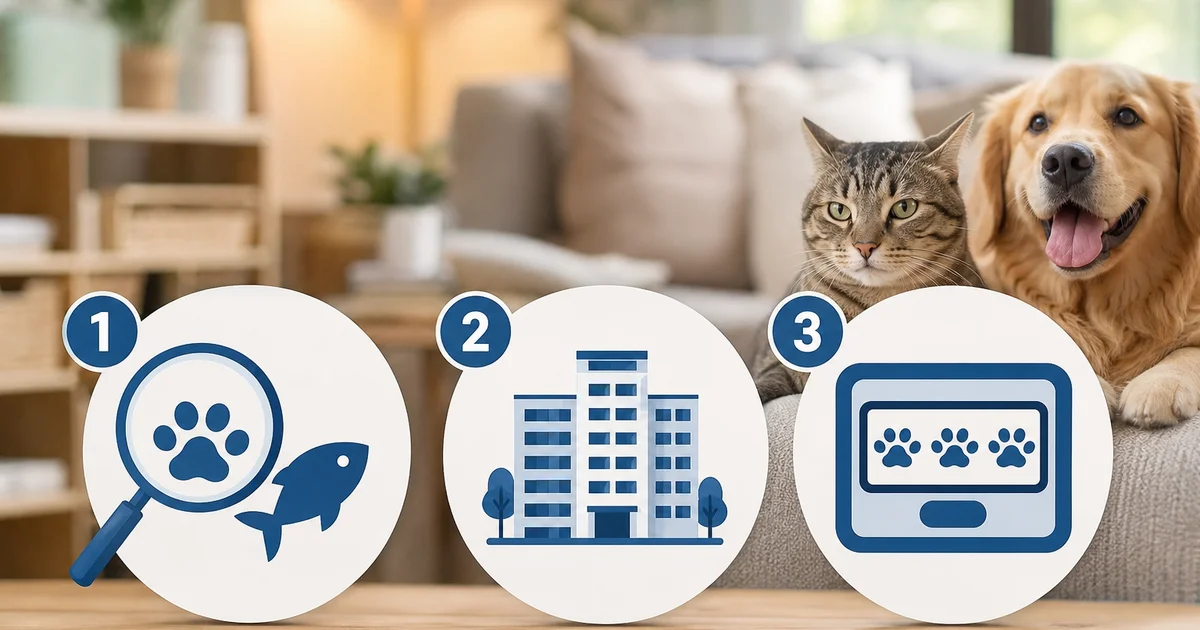
The key memory hook is the AVS three-check: species, housing and household limit. Check all three before paying a seller or bringing an animal home.
What pets are legal in Singapore? Start with the AVS three-check
The safest answer is to check the exact species against AVS guidance before purchase. A pet may appear harmless, but Singapore's approved list does not cover every exotic animal.
Use this three-step check:
- Species: Is the animal expressly approved, or does it fall within a prohibited group?
- Housing: Does your residence type allow the animal and the relevant number of pets?
- Conditions: Does the animal need a licence, breed condition or other approval?
AVS lists approved companion animals, selected wildlife, most birds, most fish and many invertebrates. It also identifies prohibited animals and protected species. Therefore, a shop listing, social media post or overseas ownership example does not prove that you may legally keep the animal in Singapore.
The rules can also differ by animal category. For example, AVS approves many fish but prohibits piranhas. It approves some frogs and turtles, but prohibits all snakes and all tortoises. These distinctions make the exact species more important than a broad label such as "reptile" or "amphibian".
The Animal & Veterinary Service (AVS), under NParks, is the official source for the approved and prohibited species list. Check its current page before committing to an animal, because online listings and informal advice can become outdated.
Companion animals: dogs, cats and small mammals
Dogs, cats and several familiar small mammals form the clearest group of approved pets. AVS lists dogs, rabbits, mice, hamsters, guinea pigs, gerbils and chinchillas as approved companion animals.
Most dog breeds are approved, although some breeds may have licensing conditions. Therefore, prospective dog owners should confirm the breed requirements before adoption or purchase. Cat owners also need to take care with crossbreeds: AVS approves cats, except Bengal and Savannah crosses.
The following table summarises the main companion-animal position:
| Animal group | AVS position |
|---|---|
| Dogs | Most breeds approved; some have licensing conditions |
| Cats | Approved, except Bengal and Savannah crosses |
| Rabbits | Approved |
| Mice and hamsters | Approved |
| Guinea pigs and gerbils | Approved |
| Chinchillas | Approved |
| Hedgehogs | Prohibited |
| Sugar gliders | Prohibited |
Approval does not remove your responsibility to provide suitable care. Before bringing home a small mammal, record its species, expected adult size, diet and enclosure needs. Also confirm that the seller has identified the animal accurately.
In addition, check your residence rules before adoption. A species may be approved by AVS but still require you to comply with household ownership limits, particularly in an HDB flat.
These approved-companion details come from Animal & Veterinary Service (AVS), NParks, 2026.


Pet Health Map App
Turn every worry into your pet’s health record
Download the app to save AI Care reports, build your pet’s medical profile, and keep tracking symptoms and care notes.
Android version coming soon. The web version is available now.
Approved wildlife: legal birds, fish, frogs and turtles
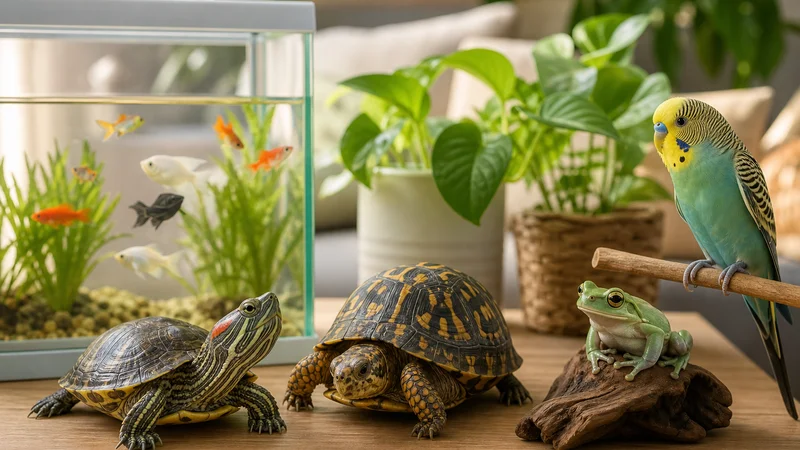
Some wildlife species are legal to keep, but "wildlife" does not mean every related species is approved. AVS lists selected frogs and turtles, most birds, most fish and many invertebrates as permitted categories.
Approved wildlife named by AVS includes:
- red-eared sliders;
- Malayan box turtles;
- green tree frogs;
- American bullfrogs; and
- crab-eating frogs.
Bird ownership also has important exclusions. AVS approves all birds except the house crow, white-vented or Javan myna, common myna, feral pigeon and other protected species. Poultry has a separate limit of 10 birds per household on private property.
Fish are broadly approved, but piranhas and protected species are excluded. Similarly, AVS approves all invertebrates except tarantulas, scorpions and protected species.
| Category | Generally approved position | Key exclusions |
|---|---|---|
| Birds | All birds | Listed mynas, house crows, feral pigeons and protected species |
| Fish | All fish | Piranhas and protected species |
| Invertebrates | All invertebrates | Tarantulas, scorpions and protected species |
| Selected amphibians and turtles | Named approved species | Other prohibited groups still apply |
The practical lesson is to obtain the scientific or exact common name before buying. "Turtle", "frog" or "fish" is too broad for a reliable check. Keep the seller's written species description, photographs and receipt as part of your pet records.
These species categories come from Animal & Veterinary Service (AVS), NParks, 2026.
What pets are legal in Singapore? Understand the banned groups
Singapore prohibits several popular exotic pets, including hedgehogs, sugar gliders and slow lorises. AVS also prohibits all snakes, all tortoises, all lizards and iguanas, and all salamanders and axolotls.
The same rule applies to several animals that people may assume are acceptable because they are small or commonly sold overseas. A small body size does not make an animal an approved pet. Likewise, a species' popularity on social media does not change its local status.
AVS's prohibited categories include:
- hedgehogs;
- sugar gliders;
- slow lorises;
- all snakes;
- all tortoises;
- all lizards and iguanas;
- all salamanders and axolotls;
- tarantulas;
- scorpions; and
- piranhas.
Several bird species are also prohibited, including the house crow, white-vented or Javan myna, common myna and feral pigeon. Protected species remain excluded even where a broad animal category is generally approved.
The reason for a particular prohibition should not be guessed. AVS's published list establishes whether an animal is permitted, but the supplied guidance does not provide a separate explanation for every species. Therefore, avoid repeating claims about disease, aggression or ecological risk unless AVS directly supports them.
The prohibited-species list comes from Animal & Veterinary Service (AVS), NParks, 2026.
HDB and private-property pet limits
Species approval and household capacity are separate checks. In an HDB residential unit, the current AVS guidance states that a household may keep a maximum of two cats and one dog of an approved small breed under the Housing and Development (Animals) Rules 2024.
HDB residents should therefore confirm both parts of the rule:
- Is the animal an AVS-approved species?
- Does the household remain within the permitted number and animal conditions?
Failing to comply with HDB's pet ownership rules can result in a fine of up to S$4,000, according to AVS. This makes the household-limit check important before adding a second cat or a dog.
Private property does not mean every ownership question disappears. AVS states that ownership limits depend on the type of residence, and its approved-species guidance separately identifies a limit of 10 poultry per household on private property.
Use this preparation checklist before adoption:
- write down the number and species of pets already at home;
- confirm whether the property is HDB or private;
- check whether a dog's breed has licensing conditions;
- keep the animal's purchase or adoption records; and
- ask AVS or the relevant authority about any unclear condition.
These ownership-limit details come from Animal & Veterinary Service (AVS), NParks, 2026. Rules can change, so check the current AVS guidance before acting.
If a pet is banned, verify it before you buy
Do not rely on a seller's assurance that an exotic animal is legal. If the species is prohibited, bringing it home can create a serious compliance problem, even if the animal is healthy, captive-bred or legally owned in another country.
Before paying a deposit, complete the AVS three-check:
- Capture the identity: Ask for the animal's exact species name, including its scientific name where available.
- Check the official list: Compare that identity with AVS's approved and prohibited animal guidance.
- Confirm your situation: Check residence type, household limits and any licensing condition.
Keep screenshots or written confirmation of the information you relied on. Also retain the receipt and seller details. These records help you explain what you bought and when, although they do not make a prohibited species legal.
If a seller cannot identify the animal clearly, pause the transaction. In particular, do not accept vague descriptions such as "mini lizard", "rare turtle" or "small wild bird". Ask for the precise species before requesting confirmation.
AVS's published guidance is the correct starting point for checking species. Where the list is unclear, contact AVS before purchase rather than importing, transporting or housing the animal first. Fees, enforcement outcomes and case-specific requirements should be confirmed directly with the relevant authority, because they can depend on the circumstances.
Conclusion: check the species before you commit
The legal pets in Singapore list includes dogs, cats, rabbits, several small mammals, selected frogs and turtles, most birds, most fish and many invertebrates. However, hedgehogs, sugar gliders, slow lorises, snakes, tortoises, lizards, salamanders, axolotls, tarantulas, scorpions and piranhas are prohibited under AVS guidance.
Before buying, apply the AVS three-check: verify the species, confirm your housing type and count your existing pets. HDB households must pay particular attention to the limit of two cats and one approved small-breed dog. Check the current AVS species and ownership guidance, then contact AVS if any detail remains uncertain.