What to Do When Your Pet Dies in Singapore: 6 Steps
Losing a pet can make simple decisions feel overwhelming. You may need to arrange the body, choose cremation or another lawful option, cancel a dog or cat licence, and decide what feels right for your family. Acting one step at a time can reduce pressure during an upsetting day.
What to do when your pet dies in Singapore depends on the animal’s size and your preferred farewell. Contact a veterinarian or crematorium, keep the body cool while arranging collection, cancel a dog or cat licence through PALS, and use only lawful burial or disposal options.
This guide explains three practical problems:
- what to do immediately and what to prepare;
- how cremation, disposal and burial options differ;
- how to manage PALS, costs and grief support.
What to Do When Your Pet Dies in Singapore: immediate care
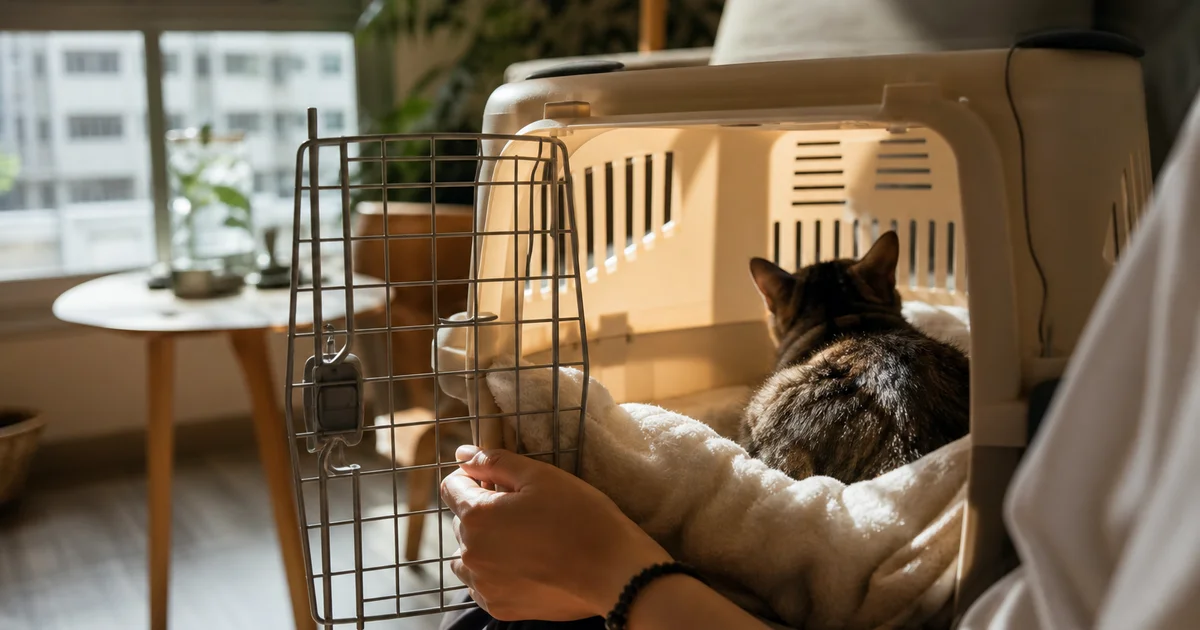
The immediate priority is to handle your pet respectfully while arranging professional advice or aftercare. If your pet has died at home, place the body on a clean, absorbent surface and keep it away from children and other animals. If you are unsure whether your pet has died, contact a veterinarian rather than relying on your own assessment.
Next, call your usual veterinary practice or a commercial animal crematorium. Ask whether the provider offers collection, individual cremation, communal cremation, ashes, and written proof of service. These details affect both your choices and the paperwork needed later.
Prepare the following information before you call:
- your pet’s species, approximate weight and name;
- your location and preferred collection time;
- whether you want ashes returned;
- whether your dog or cat has an AVS licence and microchip on record;
- whether you need a death certificate or cremation invoice.
Keep your pet’s licence details, medical records and identification information together. A veterinarian typically provides a certificate of death or medical record, while a cremation provider can issue an invoice. AVS identifies these documents as proof for cancelling a dog or cat licence (Animal & Veterinary Service, NParks, 2026).
Avoid committing to a package while distressed if you do not understand what it includes. Ask whether the quoted price covers transport, the cremation itself, an urn, ashes and any additional handling.
Cancelling a dog or cat licence through PALS
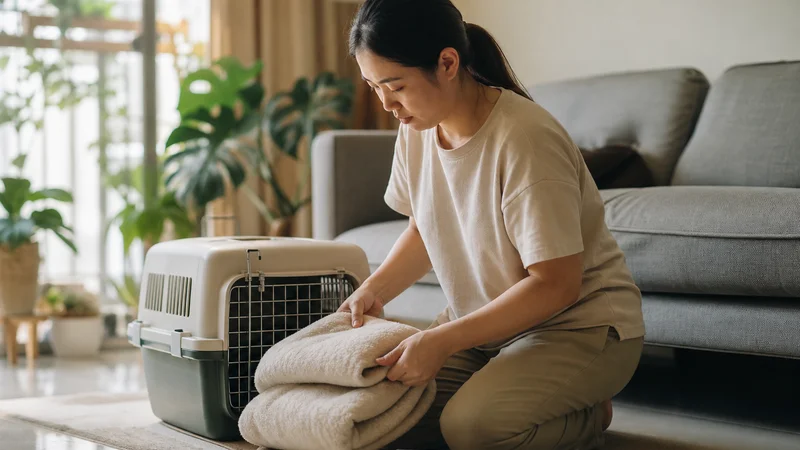
You should cancel a deceased dog’s or cat’s licence through the Pet Animal Licensing System, commonly called PALS. AVS provides a specific online process, and you should retain the supporting document before starting.
The PALS process is:
- Visit pals.avs.gov.sg and log in.
- Open the My Licences tab.
- Select Cancel licence beside the relevant pet.
- Upload a death certificate or cremation invoice.
- Keep a copy of the submitted information for your records.
The document matters because it supports the cancellation request. If your veterinarian only gives you a medical record, check that it clearly identifies your pet and records the death. Alternatively, ask the crematorium whether its invoice contains the information AVS requires.
Do not assume that arranging cremation automatically cancels the licence. The owner remains responsible for completing the PALS action. Also, check that you have selected the correct pet if more than one animal appears under your account.
AVS states that owners must cancel a cat or dog licence through PALS and upload a death certificate or cremation invoice (Animal & Veterinary Service, NParks, 2026). The page does not provide a licence-cancellation deadline in the supplied information, so check the current PALS instructions if you need clarification.


Pet Health Map App
Turn every worry into your pet’s health record
Download the app to save AI Care reports, build your pet’s medical profile, and keep tracking symptoms and care notes.
Android version coming soon. The web version is available now.
Cremation options for dogs and cats
For a dog or cat, a commercial animal crematorium is the appropriate route identified by AVS. Singapore’s waste-to-energy plants are not designed for large animal carcasses, so owners should engage a commercial animal crematorium instead (Animal & Veterinary Service, NParks, 2026).
Your main decision concerns whether you want ashes returned. Ask the provider to explain these options in plain language:
| Option | What to ask before booking | Usually suits |
|---|---|---|
| Communal cremation | Are ashes returned, or are animals cremated together? | Owners seeking a lower-cost service |
| Private cremation | How does the provider identify and return your pet’s ashes? | Owners wanting ashes for remembrance |
| Collection service | What locations and transport arrangements apply? | Owners unable to travel |
The terms “communal” and “private” can differ between providers. Therefore, ask what physically happens, rather than relying only on the package name. If receiving ashes matters, ask how the provider handles identification and what container is included.
You can also ask for the cremation invoice after the service. This may provide the proof needed for PALS cancellation. Keep the invoice with your pet’s medical record and any memorial items.
Before booking, write down your preferred service, total price, collection details and ashes arrangement. That small record can prevent confusion when several family members speak with the provider.
What about hamsters, fish and birds?
Small pets have different disposal options from dogs and cats. AVS states that owners may securely double-bag the body and place it in a general waste bin, or use a commercial crematorium service for hamsters, fish and birds (Animal & Veterinary Service, NParks, 2026).
If you choose the general waste option, handle the body discreetly and securely. Use two bags, seal them properly and place them in a general waste bin. Do not leave the body beside a bin, in an open public place or where other animals can reach it.
A commercial crematorium may feel more appropriate if your family wants a formal farewell or ashes. Ask whether the provider accepts the species and whether it offers collection. Some services may focus mainly on dogs and cats, so confirm before transporting your pet.
Consider these questions:
- Does the provider accept this species?
- Is collection available from your address?
- Will the service return ashes?
- What written receipt or invoice will you receive?
- Does the quoted price include transport?
Fish can create additional practical issues because of water, tanks and equipment. You do not need to decide what to do with the aquarium immediately. Secure the body first, then deal with the tank and remaining animals separately.
Is pet burial legal in Singapore?
Pet burial is permitted only on your own private property or land. Burial in public areas is prohibited under Singapore’s Environmental Public Health regulations, according to AVS (Animal & Veterinary Service, NParks, 2026).
That means you should not bury a pet in a public park, roadside verge, shared green space, beach or other land that you do not own. Permission from a landlord, building manager or resident committee may not turn public or shared land into your private property, so check the ownership position before making arrangements.
If you own suitable private land, consider whether burial is practical and lawful for that property. If you rent your home, live in an apartment or use shared grounds, cremation may offer a clearer option. When uncertain, contact AVS or seek advice before digging.
A simple decision check can help:
- Ownership: Do you own the land?
- Permission: Does the property arrangement allow burial?
- Location: Is the land private rather than public or shared?
- Alternatives: Would commercial cremation avoid uncertainty?
Do not bury a pet impulsively in a place that feels meaningful but has unclear ownership. A cremation provider can help you create a memorial without risking an unlawful burial.

How much does pet cremation cost in Singapore?
Pet cremation prices vary by provider, species, size and service type. A Singapore pet-care pricing guide reports communal cremation at about S$20 to S$428, while private cremation ranges from about S$160 to S$695 and more (Pets’ Station, publication year not stated; accessed 2026).
These figures represent market pricing from one Singapore provider, not a government-set fee. Therefore, use them as a comparison starting point rather than a guaranteed quote. Ask each crematorium for a current, itemised price.
| Cost question | Why it matters |
|---|---|
| Is the service communal or private? | It affects whether ashes return to you |
| Is collection included? | Transport may be priced separately |
| Does pet weight change the quote? | Providers may use different size bands |
| Is an urn included? | The basic package may not include one |
| Is an invoice supplied? | You may need it for PALS |
When calling, give the provider your pet’s species and approximate weight. Also ask whether the price includes GST, collection, after-hours handling, ashes and delivery. If the provider cannot confirm a final figure, request the estimate in writing.
Do not choose solely on price. Confirm the service type and ashes arrangement first, because a low communal quote may not meet your wishes.
Coping with pet loss and choosing support
Grief after a pet dies can affect routines, sleep, appetite and concentration. You do not need to justify the loss to people who understand the bond you shared. Tell a trusted person what practical help you need, such as making a phone call, collecting ashes or notifying family members.
A small memorial can provide structure during the first few days. You might keep a collar, write down a favourite memory, create a photo folder or plant something where permitted. These actions do not erase grief, but they can give the relationship a meaningful place in your home.
Use this short support checklist:
- tell household members what has happened;
- decide who will contact the veterinarian or crematorium;
- keep paperwork in one folder;
- allow children to ask questions honestly;
- arrange support if grief disrupts daily life.
Children may need simple, truthful language. Avoid saying that a pet has “gone to sleep” if it could confuse them about sleep. Instead, explain that the pet’s body has stopped working and will not come back.
If sadness becomes difficult to manage or affects your ability to function, speak with a qualified mental-health professional. A veterinary practice may also know of local bereavement resources. Seeking support reflects the importance of the relationship, not weakness.
Conclusion: a calm checklist for the next step
Knowing what to do when your pet dies in Singapore can make a painful situation more manageable. Secure the body, contact a veterinarian or commercial animal crematorium, and ask clearly about collection, ashes and written proof. For a dog or cat, cancel the licence through PALS using a death certificate or cremation invoice. For a small pet, follow AVS’s double-bagging and general-waste guidance or arrange commercial cremation. Burial remains limited to your own private property or land.
Your next action is simple: write down your pet’s species, approximate weight, preferred aftercare and licence details, then call a suitable provider. Ask for the current total price before agreeing to anything.