Pet Adoption Process in New Zealand: 5 Practical Steps
Adopting a pet can feel confusing when SPCA centres, council shelters and independent rescues use different application systems. You may also need to budget for adoption costs, prepare your home and update your dog’s ownership records after bringing them home.
The pet adoption process in New Zealand usually involves browsing suitable animals, completing an application, meeting the pet, discussing your household with adoption staff and paying a fee that may cover veterinary care. Dog adopters must also update ownership and registration details with their territorial authority.
This guide explains how the process works, what adoption fees may include, how the main providers differ, which dog obligations apply and what to prepare before adoption day.
How the Pet Adoption Process in New Zealand Works
The bottom line: expect an assessment and matching process rather than an instant purchase. Each organisation sets its own procedure, but responsible providers generally want to confirm that the animal suits your home, routine and experience.
The Royal New Zealand SPCA uses an appointment-based approach. Its website allows prospective adopters to browse available animals and apply online, or contact their nearest SPCA Centre to arrange an appointment. This gives staff time to discuss the animal and potential match. (Royal New Zealand SPCA, accessed 2026.)
More than 42% of SPCA animals spend time in foster care instead of staying at a physical centre before adoption. Therefore, the animal’s online listing may not always represent a traditional shelter visit. Ask where the pet currently lives and how the organisation will arrange your meeting. (Royal New Zealand SPCA, accessed 2026.)
A typical application may ask about:
- Your household members and existing pets
- Your work pattern and daily availability
- Your property, fencing and landlord permission
- Your previous experience with animals
- Your plans for exercise, training and veterinary care
Independent rescue organisations often use an application, interview or meet-and-greet, and sometimes a home check before signing an adoption agreement. Pet Rescue NZ identifies these organisations and home-to-home rehoming platforms as alternatives to SPCA and council shelters. (Pet Rescue NZ, accessed 2026.)
What to ask before applying
Prepare practical questions rather than focusing only on appearance. Ask about the animal’s age, behaviour, medical history, diet, exercise needs and response to children or other pets. If the information is incomplete, ask what the rescue knows and what remains uncertain.
Also confirm what happens if the match fails. The organisation should explain its return or support process before you pay a fee or sign an agreement.
Adoption Fees and What They Cover
The bottom line: never assume that every adoption fee includes the same veterinary treatment. Ask for an itemised explanation, because inclusions vary between providers and locations.
Auckland Council provides a useful local example. Its animal shelter adoption fee is NZ$450, or NZ$350 for dogs aged seven years or older. The fee includes a veterinary check, first vaccination covering Leptospirosis and Kennel Cough, microchipping and desexing. (Auckland Council, accessed 2026.)
That figure applies to the Auckland Council animal shelter information cited here. It does not establish a nationwide New Zealand fee. Other councils and rescue groups may use different prices, age bands or inclusions.
| Before paying | Ask the organisation |
|---|---|
| Veterinary care | What examination has the animal received? |
| Vaccination | Which vaccine was given, and when is the next dose due? |
| Microchip | Has the chip been implanted and recorded correctly? |
| Desexing | Has the procedure been completed, or is it arranged later? |
| Paperwork | Which documents will you receive at collection? |
| Follow-up costs | Which routine costs will you need to budget for? |
The fee may not cover every expense after adoption. You should still plan for food, bedding, parasite prevention, training, grooming and future veterinary treatment. In addition, ask whether the animal arrives with medication or a special diet. If a pet you're considering has not yet been desexed, check whether you qualify for a lower-cost option through free and subsidised pet desexing in New Zealand.
A simple fee-check method
Use the CARE check before committing:
- Check what veterinary work the fee includes.
- Ask which documents and records you receive.
- Review any ongoing treatment or behavioural support.
- Establish what happens if the adoption cannot continue.
This prevents a common first-time mistake: comparing headline fees without comparing what each provider has already done for the animal.


Pet Health Map App
Turn every worry into your pet’s health record
Download the app to save AI Care reports, build your pet’s medical profile, and keep tracking symptoms and care notes.
Android version coming soon. The web version is available now.
Choosing Between SPCA, Council Shelters and Rescues
The bottom line: choose the provider that can explain the animal’s needs clearly and support a realistic match. The largest organisation is not automatically the best fit for every adopter.
If you are still deciding between adoption and buying, our guide to buying a puppy in New Zealand explains the breeder-side rules and red flags for comparison.
SPCA centres may suit people who want a structured appointment process and a broad range of animals. However, some animals may be in foster care, so the meeting arrangements can differ. Contact the relevant centre if an online listing does not answer your questions. (Royal New Zealand SPCA, accessed 2026.)
Council animal shelters can offer clearly published local information. For example, Auckland Council states its adoption fee and included veterinary services on its adoptable-dog information. Availability, application contacts and fees remain specific to the council involved. (Auckland Council, accessed 2026.)
Independent rescues may provide detailed insight into an animal’s foster behaviour and household routine. Their processes commonly include an application, interview or meet-and-greet, and sometimes a home check. Pet Rescue NZ also describes home-to-home rehoming as another pathway. (Pet Rescue NZ, accessed 2026.)
Compare the three routes
| Route | May suit you if you value | Confirm before applying |
|---|---|---|
| SPCA | Appointment-based matching and online listings | Current location, history and meeting arrangements |
| Council shelter | Local shelter information and stated inclusions | Local fee, contact method and veterinary records |
| Independent rescue | Foster-based observations and specialised support | Adoption agreement, home-check process and follow-up |
Do not treat a home check as a judgement about your housekeeping. It helps the organisation identify hazards, escape risks and practical changes before adoption. Likewise, a meet-and-greet should test compatibility, not pressure you into deciding immediately.
Registering and Microchipping an Adopted Dog
The bottom line: after adopting a dog, update the ownership and registration record with the relevant territorial authority. The national registration obligation comes from the Dog Control Act 1996, while each council sets its own fees and administration.
Part 2 of the Dog Control Act 1996 requires every dog owner to ensure the dog is registered in accordance with the Act. Section 48 addresses a change of dog ownership, so a newly adopted dog’s ownership and registration details need updating with the relevant territorial authority. (New Zealand Legislation, Dog Control Act 1996.) For the national rules and typical council fees, see our guide to dog registration and microchipping in New Zealand. If you are adopting rather than buying, the ownership change itself follows the same pattern covered in transferring dog registration within 14 days.
Registration fees and administration vary by district. Therefore, contact your council rather than relying on a fee from another New Zealand location. The adoption organisation should tell you what ownership or microchip information it has supplied, but check the record yourself.
Prepare these details
Keep the following together:
- Adoption agreement or transfer paperwork
- Microchip number
- Vaccination and veterinary records
- Your identification and contact details
- The previous owner or organisation’s details, where provided
- Your territorial authority’s registration information
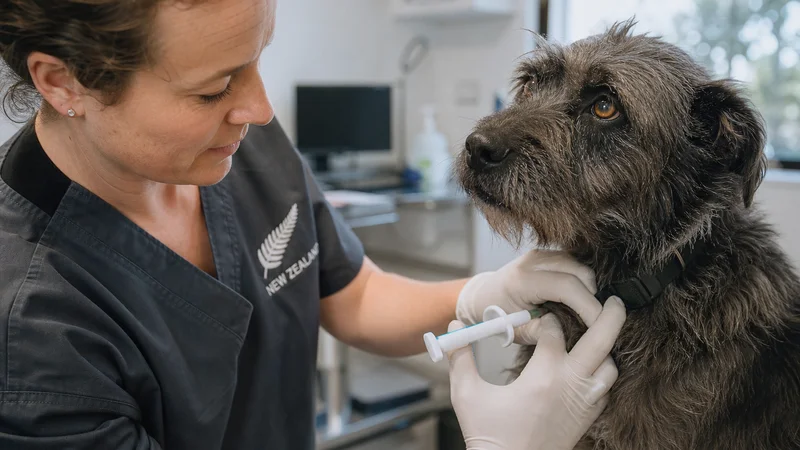
Microchipping and dog registration are related but different records. A microchip identifies the animal, while registration records the dog with the territorial authority. Ask the shelter or rescue to confirm the microchip number matches the paperwork before you leave.
If any detail appears incorrect, raise it promptly with the organisation and council. Accurate contact information matters if the dog goes missing.
Preparing Your Home Before Adoption Day
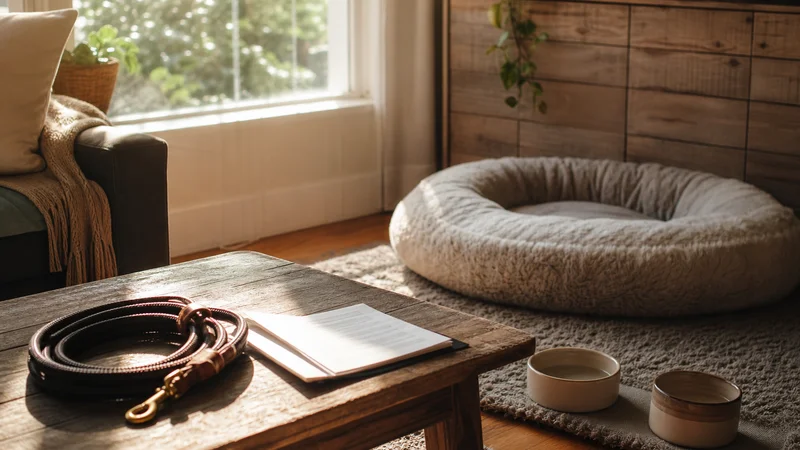
The bottom line: prepare the environment before the animal arrives, not after a problem occurs. A calm, controlled first day helps you observe the pet without overwhelming them.
Begin with one quiet area containing water, bedding, food and a safe retreat. Remove accessible chemicals, medications, toxic plants, loose wires and small objects. Check gates, fences, windows and doors, especially if you are adopting a dog that has not yet settled into your routine.
For cats and small animals, check carrier access, hiding places and room temperature. For dogs, prepare a lead, collar or harness, identification details and appropriate food. Avoid changing the diet immediately unless a veterinary professional advises it, and ask the provider what the animal currently eats.
Your adoption-day checklist
- Confirm the collection time and location.
- Bring secure transport equipment.
- Take the adoption and veterinary paperwork.
- Record the microchip number.
- Ask for medication and feeding instructions.
- Photograph or note the food label if a diet must continue.
- Save the rescue, SPCA or shelter contact details.
- Arrange veterinary care if the provider recommends follow-up.
Do not plan a busy welcome party. Instead, give the animal time to settle and watch for changes in appetite, toileting, movement or behaviour. Record observations, including dates and times, so you can give your veterinarian useful information if concerns develop.
Conclusion: Make the Process a Matching Exercise
The pet adoption process in New Zealand works best when you assess the animal and the organisation carefully. SPCA, council shelters and independent rescues can all use different application systems, fees and support arrangements. Therefore, compare the information behind the fee, not just the price.
Before adoption day, ask what veterinary care, microchipping, desexing and records are included. If you adopt a dog, contact the relevant territorial authority to update ownership and registration details under the Dog Control Act 1996. Finally, prepare a quiet, secure space and keep detailed records during the first few days. For a realistic budget beyond the adoption fee, see our breakdown of vet costs and pet insurance in New Zealand.
Start by contacting a suitable SPCA centre, council shelter or reputable rescue. Ask direct questions, take time to assess the match and confirm every obligation before signing.