
Is Declawing Cats Illegal in NZ? 6 Key Rules
If you are asking is declawing cats illegal in NZ, the safest answer is that New Zealand does not simply treat it as routine nail care. The procedure faces strict welfare and professional limits, and veterinary guidance supports it only as a therapeutic last resort after other options fail.
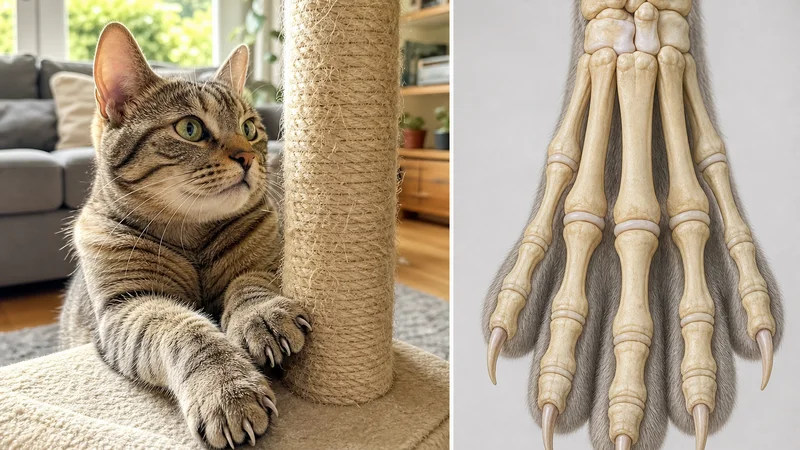
Declawing is not the same as trimming a cat’s claws. It amputates the last bone of each toe, which can cause pain, lameness, anxiety and behaviour problems. This guide explains what New Zealand law covers, how veterinary standards affect the procedure, what enforcement may involve, and which alternatives to try.
Is declawing cats illegal in NZ? The short legal answer
Current New Zealand legislation does not identify a standalone offence named “cat declawing”. However, they place significant limits around painful and invasive procedures, while veterinary policy rejects declawing for convenience or cosmetic reasons.
In practical terms, the legal question does not end with whether the word “declawing” appears in legislation. The procedure involves surgical amputation of the distal phalanx, or last bone, of each toe. Therefore, animal welfare duties, surgical procedure rules and professional standards all matter.
The Ministry for Primary Industries (MPI) Code of Welfare: Companion Cats applies to owners and people in charge of companion cats. It also covers settings such as breeding establishments, boarding catteries, shelters and pet shops. The Code includes a section on significant surgical procedures and extracts relevant provisions from the Animal Welfare (Care and Procedures) Regulations 2018.
The New Zealand Veterinary Association (NZVA) takes a clear position. It says declawing should occur only as a last resort for therapeutic reasons, after other avenues, including behavioural training, have been exhausted. That position differs sharply from declawing a healthy cat to protect furniture or make handling easier.
What the Animal Welfare Act 1999 and 2018 regulations cover
New Zealand’s animal welfare framework covers the care and treatment of cats, including significant surgical procedures, but current public guidance does not provide enough detail to state every legal test or penalty for a particular declawing case.
The Animal Welfare Act 1999 provides the wider framework for animal welfare offences and penalties. According to SPCA New Zealand’s report on the 2018 regulations, the Act addresses serious animal abuse or neglect. The Animal Welfare (Care and Procedures) Regulations 2018 added enforcement tools for low-to-medium welfare offending.
MPI’s Code of Welfare: Companion Cats links directly to significant surgical procedures in section 6.6. It also addresses routine claw and coat care in section 6.2. That distinction matters: ordinary claw maintenance is not the same activity as amputating part of every toe.
The framework should be read alongside veterinary obligations. The NZVA says alterations to an animal’s natural state are acceptable only where a net welfare benefit can be demonstrated. It considers cosmetic reasons unacceptable and says such procedures are unethical under the Veterinary Council of New Zealand’s 2011 Code of Professional Conduct.
Because animal welfare regulations are detailed and subject to updates, check the current official wording before relying on a specific legal interpretation.

Pet Health Map App
Turn every worry into your pet’s health record
Download the app to save AI Care reports, build your pet’s medical profile, and keep tracking symptoms and care notes.
Android version coming soon. The web version is available now.
Why SPCA and NZVA oppose convenience declawing
SPCA New Zealand opposes declawing as convenience surgery, while the NZVA supports it only as a therapeutic last resort. Both positions focus on the cat’s welfare rather than owner convenience.
Declawing removes the final bone of each toe. It therefore changes the cat’s anatomy, not merely the length or sharpness of its claws. SPCA New Zealand links the procedure with several possible harms, including:
- acute and chronic pain;
- frustration and anxiety;
- lameness;
- surgical complications;
- increased biting;
- inappropriate urination or defecation;
- over-grooming; and
- aggression.
These risks explain why a request based only on scratched furniture does not meet the professional threshold described by the NZVA. The association says a therapeutic reason must exist, and other avenues must have been exhausted.
The two organisations use slightly different language, but their practical message aligns. SPCA advocates prohibition, while the NZVA describes a narrow last-resort position. Neither supports removing claws as a routine household service.
For a cat owner, the key question is not “Will this stop scratching?” It is “What welfare problem exists, and have humane, less invasive solutions been properly tried?”
Significant surgical procedures: who can perform them?
Declawing should never be arranged as an ordinary grooming service. The NZVA says invasive surgery must be performed by, or under the direct supervision of, a veterinarian, with proper analgesia and asepsis.
This requirement reflects the procedure’s nature. Declawing is invasive surgery involving bone amputation, rather than a cosmetic claw trim. Proper analgesia means pain management must form part of the procedure. Asepsis refers to measures that reduce contamination and infection risk during surgery.
The MPI Code of Welfare: Companion Cats identifies significant surgical procedures as a specific welfare topic. However, the published guidance does not set out every condition, exception or authorisation pathway from the 2018 regulations. Therefore, it would be unsafe to claim a complete legal checklist from the summary alone.
The NZVA position does provide a practical professional standard:
| Question | What veterinary guidelines support |
|---|---|
| Is declawing routine grooming? | No. It is invasive surgery. |
| Can convenience alone justify it? | No. Cosmetic reasons are unacceptable under the NZVA position. |
| When might it be considered? | Only as a therapeutic last resort. |
| Who should perform it? | A veterinarian, or under a veterinarian’s direct supervision. |
| What care is required? | Proper analgesia and asepsis. |
Ask the veterinary practice to explain the medical indication, alternatives, pain plan and aftercare before agreeing to any invasive procedure.
What happens when animal welfare rules are breached?
Breaches may attract regulatory enforcement or prosecution, but current public guidance does not name a declawing-specific penalty or fixed infringement amount. Fees, penalties and legal outcomes vary by the offence and circumstances.
SPCA New Zealand reports that MPI released the Animal Welfare (Care and Procedures) Regulations on 1 October 2018. The regulations created better tools for addressing low-to-medium animal welfare offending through regulatory prosecutions and infringement notices.
The Animal Welfare Act 1999 remains relevant to serious abuse or neglect. SPCA also states that it has statutory powers, including issuing infringement notices and prosecuting under the Act and the 2018 regulations.
That does not mean every disputed veterinary decision automatically becomes a prosecution. The outcome depends on the facts, the applicable provision and the evidence available. Since current legislation does not specify a declawing offence, do not rely on a guessed penalty or assume that a particular notice must follow.
If you are concerned about a cat’s treatment, keep a factual record:
- Record the date, practice and procedure discussed.
- Keep invoices, consent forms and discharge instructions.
- Write down the stated medical reason and alternatives offered.
- Save photographs or veterinary records relevant to the concern.
- Seek advice from an independent veterinarian where appropriate.
This evidence helps separate a welfare concern from a disagreement about treatment.
Alternatives New Zealand vets recommend instead
The recommended starting point is prevention and behaviour support: provide suitable scratching posts, trim claws regularly and involve a qualified behaviourist when scratching becomes difficult to manage.
SPCA New Zealand specifically recommends scratching posts, regular nail trimming and qualified behaviour support instead of declawing. These options address the behaviour without amputating the last bone of each toe.
A practical home plan can include:
- Place scratching posts near the furniture or doorway your cat targets.
- Offer more than one texture, such as sisal and cardboard.
- Reward the cat immediately for using the post.
- Keep claw trimming regular, using guidance from a veterinary professional.
- Record when scratching occurs, including location, time and nearby triggers.
- Ask a qualified behaviourist for help if the pattern persists.
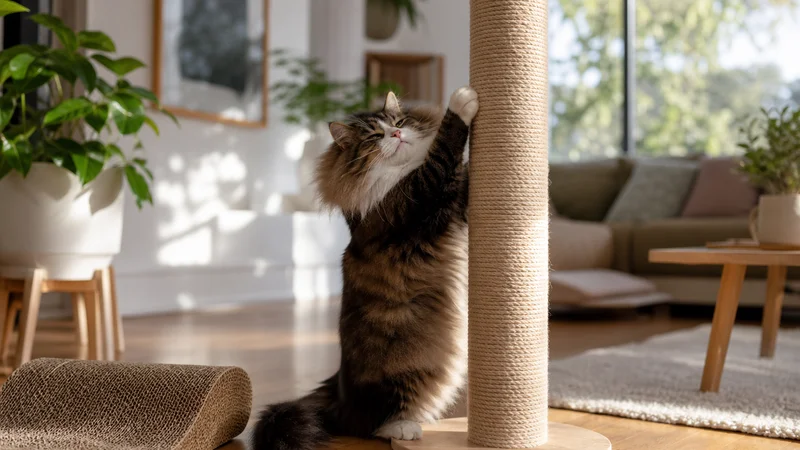
Do not punish scratching after it happens. Instead, make the preferred surface easier to access and more rewarding. Also, take persistent biting, aggression, over-grooming or toileting changes seriously. SPCA identifies these behaviours as possible problems associated with declawing, but they can also signal other welfare or health concerns that need veterinary assessment.
If a medical condition creates a genuine therapeutic question, ask your vet to document the diagnosis, alternatives attempted and expected welfare benefit.
A simple ABCD check before discussing surgery
Use the ABCD check—Anatomy, Behaviour, Care and Documentation—to make a safer decision before any discussion of declawing.
A — Anatomy: Confirm what the procedure involves. Declawing amputates the last bone of each toe, so it is not equivalent to clipping a nail.
B — Behaviour: Describe the actual problem. Record scratching locations, biting, aggression, toileting changes and triggers. Behaviour detail helps a vet or behaviourist recommend targeted support.
C — Care: Ask what non-surgical options have been tried. Include scratching posts, claw trimming and behavioural training. The NZVA says these avenues should be exhausted before therapeutic declawing is considered.
D — Documentation: Request a clear explanation of the medical reason, welfare benefit, pain relief and aftercare. Keep the records with your cat’s veterinary history.
This check also helps prevent the common first-timer mistake: treating a household-management problem as a surgical problem. A cat scratching a sofa may need environmental changes and reinforcement, not removal of its toe bones.
If a practice proposes surgery, ask whether the veterinarian considers it therapeutic and why less invasive options are unsuitable. If you remain uncertain, seek a second veterinary opinion.
Conclusion: is declawing cats illegal in NZ?
So, is declawing cats illegal in NZ? Current New Zealand law does not establish a simple standalone ban named in statute. However, New Zealand’s animal welfare framework covers significant surgical procedures, and professional guidance rejects cosmetic or convenience declawing. The NZVA supports it only as a therapeutic last resort, with veterinary oversight, analgesia and asepsis.
Start with the ABCD check: understand the anatomy, record the behaviour, try humane care options and document veterinary advice. Provide scratching posts, maintain claws with professional guidance and involve a qualified behaviourist when needed.
If your cat has a genuine medical problem, book a consultation and ask the vet to explain the diagnosis, alternatives and welfare benefit. If you have concerns about a procedure already performed, keep the records and seek independent veterinary advice.