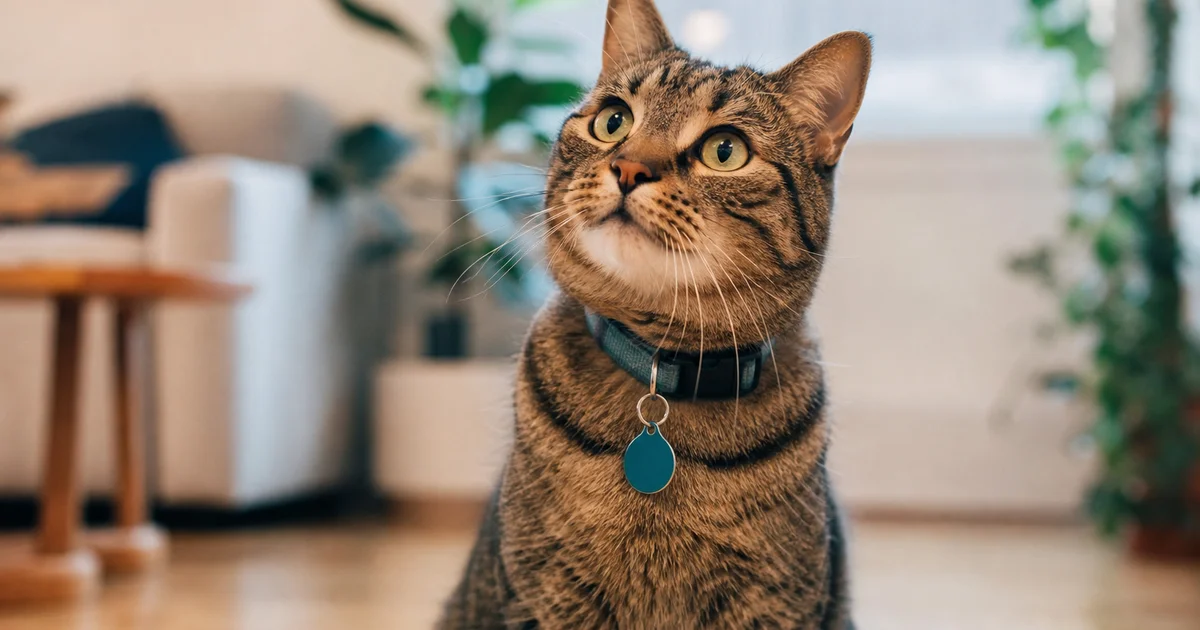
Cat ownership rules can feel confusing because licensing, microchipping and pet limits may come from different authorities. The answer depends on your municipality, not simply your province. Indoor status also does not automatically remove licensing duties, as Toronto's rules demonstrate.
Cat licensing Canada is controlled mainly by municipalities, so requirements differ between cities. Calgary requires cats aged three months and older to hold a city licence, while Toronto requires every owned cat to be licensed and wear a tag, including indoor cats. Check your city's current bylaw before applying.
This guide solves three practical problems:
- identifying which authority sets the rule;
- comparing Calgary and Toronto requirements;
- preparing the information needed for licensing and identification.
Cat licensing Canada: why your municipality decides
Start with your city's bylaw or licensing service, because Canadian cat rules can change between municipalities. The Calgary and Toronto examples show why a national assumption can lead to the wrong result.
A city licence usually connects an owned cat with a local authority. However, the legal wording, minimum age, tag requirement, fees and limits may differ. Therefore, do not rely on a friend's experience in another province or city.
The available municipal sources support two clear points:
- Calgary requires cats and dogs aged three months or older to have a City of Calgary licence.
- Toronto requires all owned cats and dogs to be licensed and wear a tag.
These rules come from the cities themselves. The City of Calgary publishes its licensing and responsible ownership requirements, while the City of Toronto publishes its pet licensing requirements. City of Calgary (2026) and City of Toronto (2026) should therefore be your starting points for these locations.
If you have moved, adopted a cat or changed address, check the new municipality rather than assuming an existing licence transfers. Also, ask the licensing office how it treats kittens, recently adopted animals, changes of ownership and replacement tags. Those details are not established by the sources available for this article.
The Calgary model: fees, cat limits and fines
Calgary combines licensing with a household cat limit and bylaw enforcement. This means owners need to consider more than the licence application itself.
The City of Calgary states that cats aged three months or older require a licence. Its published 2026 fee schedule lists:
| Cat status | Published 2026 Calgary licence fee |
|---|---|
| Male or female unaltered cat | C$44 |
| Neutered male or spayed female cat | C$21 |
The source notes that C$21 is the 2025 rate for neutered or spayed cats. Consequently, confirm the amount shown during the current application process before paying.
Calgary also limits owners to six cats or fewer under its Responsible Pet Ownership Bylaw. That limit applies separately from licensing. In other words, licensing six cats does not establish permission to keep additional cats.
Failure to comply with Calgary's cat regulations may result in fines ranging from C$25 to C$1,500, according to the City of Calgary. The source does not specify that every breach attracts the same amount. Therefore, do not assume a particular fine for an individual situation.
What Calgary owners should check
Before applying, record each cat's:
- name and sex;
- age or estimated date of birth;
- desexing status;
- identifying features;
- current keeper and address details.
Then count every cat in the household. This simple "six-cat check" prevents owners from treating a licence as a substitute for checking the household limit.


Pet Health Map App
Turn every worry into your pet’s health record
Download the app to save AI Care reports, build your pet’s medical profile, and keep tracking symptoms and care notes.
Android version coming soon. The web version is available now.
The Toronto model: mandatory licences for indoor cats
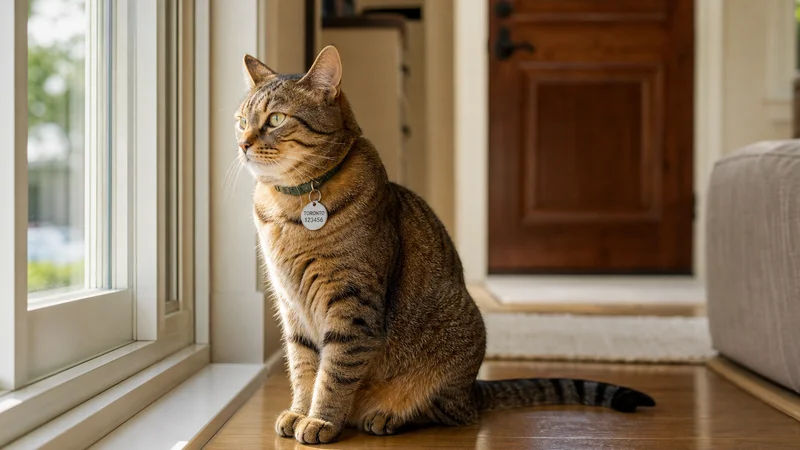
Toronto's rule applies to indoor cats as well as cats that go outdoors. The City of Toronto states that all owned cats must be licensed and wear a tag under the city's bylaw.
The city also specifically explains why indoor status does not remove the requirement. An open window or door can allow an unlicensed indoor cat to escape. Therefore, keeping a cat inside does not create an exemption under the published Toronto guidance.
This is the point many first-time owners miss. They may think licensing only matters for animals that roam, but Toronto's rule focuses on ownership rather than routine outdoor access.
Use this short "door-and-window test":
- Is the cat owned by someone living in Toronto?
- Does the city require that owned cat to be licensed?
- Could the cat leave through a door or open window?
If the answer is yes, do not treat indoor living as a reason to skip licensing. Also, make sure the cat wears the required tag, rather than keeping the licence information only in an email or online account.
The City of Toronto source does not provide a fee or processing timeline in the supplied facts. Therefore, check the current city licensing page before budgeting or relying on a same-day application.
How to licence and microchip your cat
Treat licensing and microchipping as separate identification tasks. A municipal licence and tag fulfill the city's legal licensing requirements, while a microchip provides a permanent backup to identify the cat if the collar or tag disappears.
The supplied municipal sources establish licensing and tagging requirements, but they do not confirm a universal Canadian microchip rule. Therefore, ask your veterinary practice about microchipping, scanning and updating the registration details.
Prepare a small "cat identity pack" before applying or visiting a practice:
- the cat's full name and sex;
- approximate birth date or age;
- desexing information;
- your name, address and contact number;
- any existing licence, tag or microchip number;
- adoption or ownership records, if available.
Check the spelling of your address and phone number carefully. A licence cannot help much if the contact details are outdated. Similarly, ask how to update the record after moving, changing your phone number or transferring ownership.
Do not use a microchip number as a substitute for a municipal licence unless your city explicitly says it can replace the licence. These systems serve different purposes. The safest approach is to complete the local licensing requirement, keep the tag attached as required and maintain accurate microchip records through the relevant registry.
Cat licensing Canada: costs and practical timing
Budget only the fee confirmed by your municipality, and allow time to check missing information before submitting an application. The available sources provide current Calgary figures but do not provide a Toronto fee or a universal processing deadline.
For Calgary, the published 2026 schedule lists C$44 for an unaltered male or female cat and C$21 for a neutered male or spayed female cat. Confirm the fee displayed by the City of Calgary when you apply, particularly because the source identifies C$21 as the 2025 rate.
For Toronto, the supplied city facts confirm mandatory licensing and tagging but do not state the price. Call or check the current Toronto licensing service before assuming the Calgary amounts apply.
A practical preparation sequence looks like this:
- Identify your municipality.
- Read its current cat licensing page or bylaw.
- Gather ownership, address and cat details.
- Confirm the fee and accepted payment method.
- Submit the application through the city's stated channel.
- Record the licence number and keep the tag with the cat.
The sources do not establish a standard processing time for either city. Therefore, ask the relevant municipal office how long delivery or registration takes, especially after adoption, relocation or a bylaw concern.
Common mistakes cat owners make
The most common errors involve assuming indoor cats need no licence, confusing a microchip with a licence and overlooking household limits. Each mistake can create avoidable problems.
| Mistake | Better action |
|---|---|
| Assuming indoor cats are exempt | Check the city rule; Toronto includes indoor cats |
| Using another city's fee or process | Verify the current municipal page |
| Treating a microchip as a licence | Complete the city's licensing process |
| Forgetting the tag | Keep the required tag attached to the cat |
| Ignoring the household total | Count all cats against Calgary's six-cat limit |
| Guessing a fine or deadline | Ask the municipality for current details |
A second practical mistake involves incomplete records. Owners often remember a cat's name but not its estimated age, desexing status or previous identification number. Record those details before opening the application.
Finally, do not assume a licence remains accurate forever. Review your contact details after moving or changing telephone numbers. If ownership changes, ask the city how to update the record. The supplied sources do not specify the procedure, so use the municipality's current instructions rather than relying on informal advice.
Conclusion: check your city before you apply
Cat licensing Canada is not one national checklist. Calgary requires cats aged three months and older to hold a city licence, limits owners to six cats or fewer and publishes different fees based on desexing status. Toronto requires owned cats to be licensed and tagged, including cats kept indoors.
Before applying, confirm your municipality, gather your cat's details, check the current fee and keep the licence information with your household records. If you live in Calgary, perform the six-cat check. If you live in Toronto, use the door-and-window test rather than assuming indoor living creates an exemption.
Check your city's current licensing page today, then ask your veterinary practice about microchipping and record updates so both identification systems remain useful.