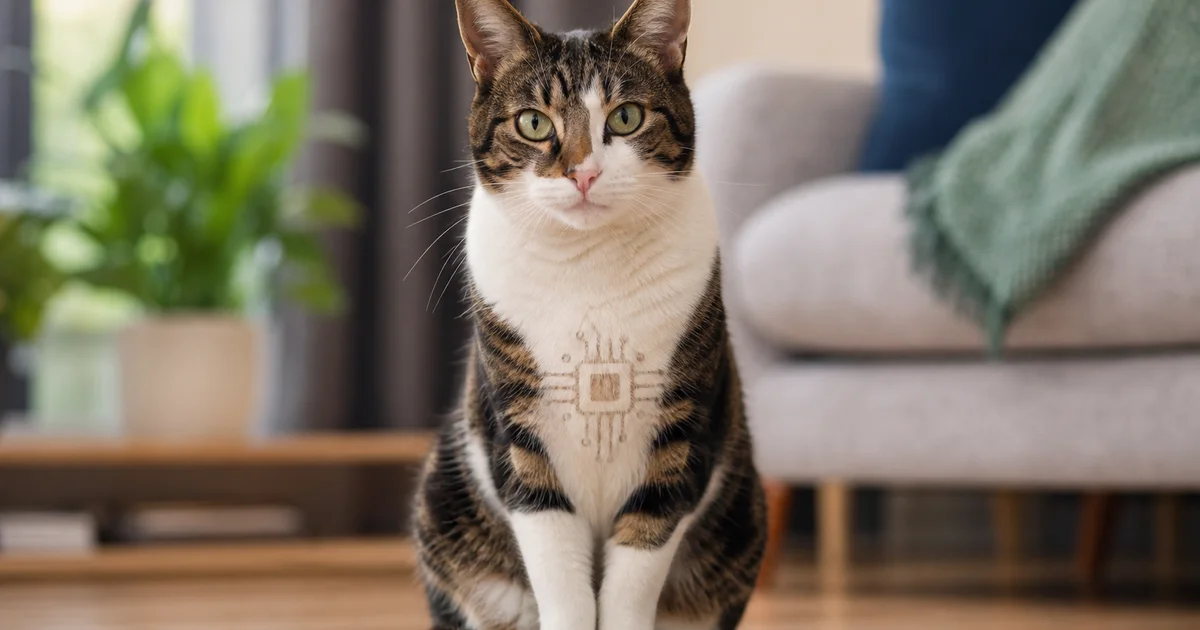
If you are searching for the cat microchipping law NZ owners must follow, the answer depends on your local council. New Zealand has no comprehensive national cat-management law, but some councils require microchipping, desexing, registration or a combination. Check your council's current animal bylaw before relying on national rules.
That leaves three practical problems:
- whether your council already has a cat requirement;
- what the proposed national legislation could change; and
- how to microchip and register your cat correctly.
Cat microchipping law NZ: there is no single national rule
The bottom line is that New Zealand does not currently have one comprehensive national law requiring every cat to be microchipped. Local bylaws can still create mandatory requirements in particular districts or cities.
The SPCA New Zealand says a national bill requiring companion cats to be microchipped and registered on a national database was launched in Parliament on 16 December 2024. The bill did not include a desexing requirement. The SPCA has advocated for that provision to be added (SPCA New Zealand, 2024).
Therefore, "not nationally mandatory" does not mean "optional everywhere". A council bylaw may apply because of where you live, rather than because of your cat's breed, age or lifestyle.
Your council may publish requirements under headings such as:
- animal management;
- responsible cat ownership;
- cats and other animals; or
- animal bylaws.
However, online information can change after consultation, a council decision or a bylaw review. Check the current council page or contact the council directly if the wording is unclear. Keep a screenshot or saved copy of the relevant page for your records.
Why council bylaws decide your cat's obligations
Your local council is the practical starting point because cat rules can differ between districts and cities. The key details include your council area, your cat's age and whether an exemption applies.
For example, Whangārei District Council states that all cats must be desexed and microchipped by six months of age. The requirement sits under its district Animal Bylaw and follows New Zealand Veterinary Association guidelines and the New Zealand Code of Welfare for Companion Cats (Whangārei District Council, undated).
Wellington City Council states that, from April 2024, domestic cats must be desexed once they reach six months of age or older, unless they qualify for an exemption under the council's bylaw (Wellington City Council, 2024). That source does not establish a universal Wellington microchipping requirement, so do not assume that desexing and microchipping rules are identical.
Use this council-check process:
- Identify the council where your cat lives.
- Read the current cat or animal-management page.
- Open the linked bylaw, including definitions and exemptions.
- Check the age deadline and any registration wording.
- Ask the council or your veterinary clinic about anything ambiguous.
In other words, avoid relying on a social-media post, a neighbour's interpretation or a rule from another district.


Pet Health Map App
Turn every worry into your pet’s health record
Download the app to save AI Care reports, build your pet’s medical profile, and keep tracking symptoms and care notes.
Android version coming soon. The web version is available now.
Councils that require microchipping or desexing
Several New Zealand councils have already introduced cat-related requirements, although the exact combination varies. You must check the local wording instead of treating one council's rule as a national template.
Companion Animals New Zealand reports that six district councils and three city councils, at the time of its count, required desexing, microchipping or registration, or more than one of these. It also reported that two district councils and two city councils were consulting or making decisions about further requirements (Companion Animals New Zealand, undated).
The distinction matters because a bylaw might require:
| Requirement | What to confirm |
|---|---|
| Microchipping | Whether every cat must have a microchip and the age deadline |
| Registration | Whether the chip must link to a specific database |
| Desexing | Whether the rule applies at six months or another age |
| Exemption | Whether medical, breeding or other conditions qualify |
| Proof | Which documents the council or authorised officer accepts |
For instance, Whangārei's published requirement combines desexing and microchipping by six months. Wellington's cited rule concerns desexing from six months, subject to bylaw exemptions.
Consequently, owners moving house should recheck their obligations. A cat that complied with one council's rules may need additional action after moving into another area. Record your council, the date you checked and the source page you used.
The proposed national Cat Management Bill
The proposed national bill could create a more consistent framework, but the supplied source does not establish that it has become a universal legal requirement. Treat it as proposed legislation unless you confirm a later official status.
The SPCA says the bill launched in Parliament on 16 December 2024 would require all companion cats to be microchipped and registered on a national database. It also says the bill did not include mandatory desexing, while the organisation continues to advocate for that change (SPCA New Zealand, 2024).
That creates two separate questions for owners:
- What does your current council bylaw require now?
- What might national legislation require if Parliament changes the law?
Do not delay a current council obligation while waiting for national reform. Likewise, do not tell another owner that every cat already faces a national microchipping deadline unless you have checked an official, up-to-date source.
A sensible monitoring habit is to check:
- your council's animal-management updates;
- Parliament's official legislation information; and
- guidance from a New Zealand veterinary practice or recognised animal-welfare organisation.
Because proposed legislation can change during the parliamentary process, the bill's original description may not reflect later amendments. Use the current wording, not a headline or campaign summary.
How to microchip and register your cat on NZCAR
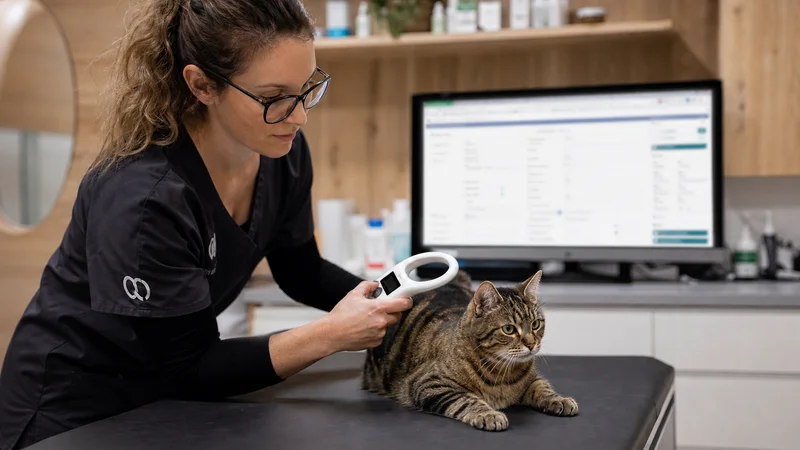
While a veterinary practice handles implanting the microchip, the owner remains responsible for ensuring the identification record contains accurate contact details. A microchip alone cannot help a finder contact you if the record is incomplete or outdated.
The New Zealand Companion Animal Register (NZCAR), run by Companion Animals New Zealand, is the national microchip database referred to in most council bylaws. CANZ reports that the register contains more than 1.3 million animals, including 764,000 cats, and has around 1,000 approved users, such as veterinary clinics and animal shelters, that can scan a found cat's chip (Companion Animals New Zealand, undated).
Before the appointment, prepare:
- your cat's full name and identifying description;
- your current telephone number and email address;
- an alternative contact's details;
- adoption, vaccination or ownership paperwork; and
- the council requirement you are trying to meet.
At the appointment, ask the practice to confirm the microchip number and explain how registration works. Then check that the database record matches your cat and your preferred contact details.
After moving, changing your telephone number or transferring ownership, update the record promptly. Also ask the veterinary practice whether your cat's registration has been completed or whether you must finish it yourself. This small check prevents a common failure: an implanted chip that does not lead to a reachable owner.
Costs and the typical timeline
Costs and appointment timing vary widely by veterinary practice, council area and the specific services your cat needs. The supplied sources do not provide a verified New Zealand-wide fee or standard turnaround time, so call ahead before budgeting.
Ask the practice for an itemised estimate covering:
- the microchip and implantation;
- registration or database administration, if charged;
- a consultation;
- desexing, if your council requires it; and
- any examination or follow-up care.
Also ask whether the practice can complete the registration during the same visit. That question matters because implantation and database registration are separate practical steps. A cat can leave the clinic with a chip but still have incomplete owner details.
Your timeline may depend on:
| Task | Action to take |
|---|---|
| Council check | Confirm the rule and deadline before booking |
| Veterinary booking | Ask for the earliest suitable appointment |
| Microchip visit | Bring ownership and contact information |
| Database record | Confirm the chip number and owner details |
| Compliance file | Save receipts, certificates and confirmation emails |
If your council sets an age requirement, book early enough to allow for appointment availability and any required follow-up. Fees vary by clinic, so contact your veterinary practice for the current price rather than relying on an online estimate.
Common mistakes cat owners make
Most avoidable problems come from checking the wrong authority, missing a deadline or failing to update the database. A simple "ABCD check" helps: Area, Bylaw, Chip, Details.
Area: Confirm which council covers your cat's home. Rules from a neighbouring district may not apply.
Bylaw: Read the complete current wording, including age limits and exemptions. A council webpage may summarise a rule without including every condition.
Chip: Ask the veterinary practice for the microchip number and confirmation that the chip can be scanned.
Details: Check that your name, telephone number, email and address are accurate. Update them after a move, number change or ownership transfer.
Other common errors include:
- assuming indoor cats automatically fall outside a bylaw;
- treating a proposed national bill as current law;
- confusing desexing requirements with microchipping requirements;
- leaving an exemption undocumented; and
- failing to ask who completes the NZCAR registration.
Therefore, keep one folder containing the microchip number, database confirmation, council information and veterinary records. If an authorised person finds your cat, accurate records can make the difference between a quick call and an unresolved identification.
Conclusion: check your council before booking
The cat microchipping law NZ owners need to follow is currently shaped by local council bylaws rather than one comprehensive national requirement. Some councils already require microchipping, desexing, registration or a combination, while national legislation has been proposed.
Use the ABCD check today: confirm your Area, read the Bylaw, arrange the Chip, and verify your contact Details. Then call your veterinary practice for current fees and ask how it completes NZCAR registration. If you live in Whangārei, Wellington or another council area with specific rules, check the relevant bylaw and any exemption conditions directly. Keeping your cat's identification record accurate is a practical step even while the national framework develops.