
Winter Pet Safety and Cold Weather Bylaws in Canada
A freezing walk, an outdoor cat or an unsuitable kennel can become a welfare concern quickly. However, Canadian rules do not use one national temperature threshold for every pet. Your province and municipality may apply different duties, shelter standards and enforcement processes.
Winter pet safety and cold weather bylaws in Canada depend on location, but owners must provide reasonable protection from harmful cold. Alberta’s law offers a clear example: animals must receive adequate shelter, food, water and veterinary care. Practical protection means monitoring exposure, providing a dry insulated refuge and acting promptly when a pet shows distress.
This guide solves three common problems:
- understanding what Canadian animal-welfare law actually requires;
- recognising when shelter fails in real winter conditions; and
- preparing a sensible response if a neighbour, bylaw officer or animal-protection authority becomes involved.
Because rules vary, use the provincial and municipal wording that applies to your address.
What Canadian law actually says about pets in the cold
The legal baseline is a duty to protect an animal from injurious cold, not permission to leave a pet outside until a specific thermometer reading. Canada has no single national cold-weather pet law with one fixed temperature threshold.
Alberta provides a concrete example. The Alberta SPCA explains that the province’s Animal Protection Act requires animals to receive adequate shelter, ventilation, space, food, water and veterinary care. It also requires reasonable protection from injurious heat or cold. This does not mean Alberta’s wording automatically applies in Ontario, British Columbia, Quebec or another province.
Many municipalities can also add rules about shelter, tethering or outdoor animal care. Therefore, check both sources that govern your home:
- your province’s animal welfare or protection legislation; and
- your city, town or regional municipality’s animal-related bylaws.
At federal level, the Criminal Code includes general animal-cruelty provisions covering wilful neglect and failure to provide suitable care. However, this article cannot replace the exact statute or bylaw applying to your circumstances.
| Legal question | Safe interpretation |
|---|---|
| Is there one Canadian temperature limit? | No. Rules and enforcement details vary by province and municipality. |
| Does an outdoor pet need more than food and water? | Yes. Adequate shelter and protection from harmful cold matter. |
| Can a local bylaw add requirements? | Yes. Check the municipality’s current rules. |
The Alberta SPCA source page, which cites the Animal Protection Act, states that peace officers investigate concerns. Officers may issue notices and remove an animal if inadequate shelter remains unresolved. That is a provincial example, not a universal Canadian process.
Adequate shelter: what it means in practice
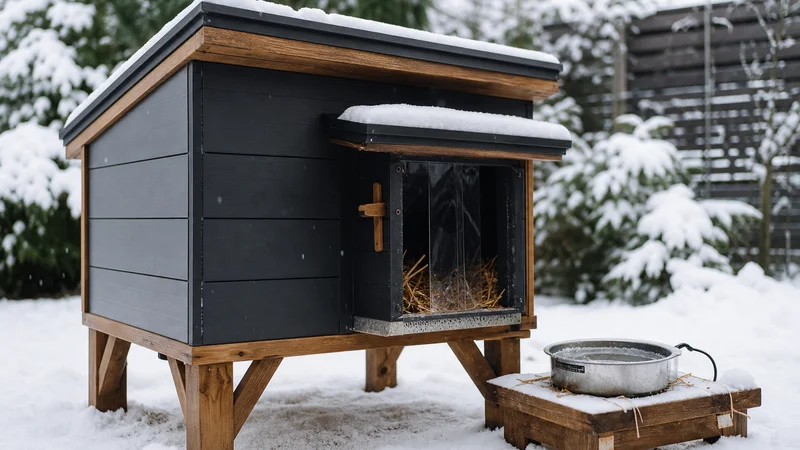
A suitable winter shelter must keep the animal dry, protected from wind and able to rest safely. A decorative box or an open porch may not provide meaningful protection during freezing rain, wind or heavy snow.
Assess the shelter from the animal’s position, not from the doorway. Check whether the entrance faces prevailing wind, whether snow can block it and whether water collects inside. Also inspect the floor, roof, walls and bedding after bad weather.
A practical “DRY-COLD” check helps you remember the essentials:
- D — Dry: Is the sleeping area free from rain, melting snow and damp bedding?
- R — Raised: Does the floor keep the animal away from frozen or wet ground?
- Y — Your pet’s size: Can the animal turn around and lie down comfortably?
- C — Covered: Does the structure block wind and precipitation?
- O — Observe: Can you check the animal and shelter regularly?
- L — Liquid water: Is drinking water available and still usable?
- D — Deterioration: Has ice, snow or moisture reduced protection?
Do not treat insulation as a substitute for supervision. A shelter can become unsafe if bedding becomes wet, the entrance freezes or the animal cannot access water. In addition, an elderly, very young, ill or thin pet may need a different arrangement from a healthy adult animal.
If your pet remains outdoors for any period, record the shelter’s condition after the forecast’s worst weather. A dated photograph can help you identify changes and explain the care you provide if someone raises a concern.


Pet Health Map App
Turn every worry into your pet’s health record
Download the app to save AI Care reports, build your pet’s medical profile, and keep tracking symptoms and care notes.
Android version coming soon. The web version is available now.
Signs your pet is too cold, too fast
Move your pet into a warm, dry space and seek veterinary advice when behaviour or physical condition changes during cold exposure. Do not wait for a dramatic collapse before taking action.
Watch for changes that are easy to miss in a busy household:
- reluctance to move or continue walking;
- unusual tiredness, weakness or confusion;
- persistent shivering or a sudden lack of normal response;
- lifting paws repeatedly or refusing to use them;
- wet fur, ice accumulation or skin that looks pale or painful;
- difficulty standing, walking or reaching the door;
- hiding, vocalising or behaving unlike normal.
These observations do not tell you the exact cause. Pain, illness, injury and cold exposure can overlap. Therefore, treat a noticeable change as a reason to warm the animal gradually and contact a veterinary practice for advice.
Avoid rubbing painful or pale areas. Also avoid placing a distressed pet directly against a hot radiator, heat lamp or heating pad. Instead, remove wet items, wrap the animal in dry blankets and use gentle warmth while arranging professional help.
Cats can face additional risks when they shelter beneath vehicle bonnets or inside wheel areas. Before starting a vehicle, check around it and make a noise to encourage an unseen animal to leave. Dogs may also accumulate ice between their toes, especially after walking through treated or compacted snow.
Winter pet safety and cold weather bylaws in Canada: what a complaint can trigger
A complaint usually creates a need to assess the animal’s welfare, not an automatic finding that the owner broke the law. The outcome depends on the facts, the local authority and whether the owner corrects an identified problem.
Alberta’s example shows how enforcement can work. The Alberta SPCA states that peace officers investigate reports, can issue notices and may remove an animal when inadequate shelter is not remedied. Other provinces and municipalities may use different officers, notices, powers and timelines.
If an officer contacts you, stay calm and focus on verifiable care. Prepare:
- your pet’s current location and access to indoor shelter;
- photographs showing the shelter from inside and outside;
- records of feeding, watering and checks during severe weather;
- veterinary records if illness or age affects cold tolerance;
- details of any improvements made after the concern arose.
Do not assume that a neighbour’s interpretation is the law. Equally, do not dismiss a complaint without checking the shelter honestly. A blocked entrance, frozen water container or soaked bedding can create a real welfare issue even when the structure looked adequate earlier.
Ask the officer which statute or bylaw they are applying and what correction they require. Then request the information in writing where possible. For exact rights, deadlines or appeal routes, consult the relevant provincial authority, municipality or a qualified lawyer.
Cold-weather care checklist for dogs and cats
The safest routine combines shorter exposure, regular observation and a clear indoor fallback. Plan around the actual conditions rather than relying only on the calendar season.
Use this checklist before a cold spell:
- Check the forecast for temperature, wind, precipitation and rapid changes.
- Bring outdoor-only pets inside whenever the conditions make shelter uncertain.
- Inspect bedding, flooring, doors and drainage.
- Refresh drinking water and check that it remains accessible.
- Wipe paws and dry fur after walks or outdoor time.
- Look between toes for packed snow, ice or grit.
- Keep cats away from vehicle spaces and engine compartments.
- Reduce exposure if your pet is young, elderly, unwell or physically vulnerable.
- Save your veterinary practice’s contact details where you can reach them quickly.
- Photograph and date any shelter improvements.
A simple care log can reveal a pattern. Record the time outside, weather conditions, water access, shelter condition and any change in behaviour. This helps you make better decisions and gives a veterinary team useful context.
| Before outdoor time | After outdoor time |
|---|---|
| Check shelter, water and bedding | Dry fur and paws |
| Assess wind, precipitation and visibility | Check for ice, pain or limping |
| Consider age, health and body condition | Note behaviour and appetite |
| Confirm an indoor fallback | Record concerns and contact the vet if needed |
Do not rely on a coat alone. Clothing may help some dogs, but it does not replace shelter, supervision or a sensible exposure limit.
When to call for help
Call a veterinary practice promptly when your pet remains abnormal after warming, cannot walk normally, appears weak or has painful-looking skin. Seek urgent help for collapse, severe breathing difficulty, unresponsiveness or any rapidly worsening condition.
Call the appropriate animal-welfare or municipal service when an animal appears to lack basic protection, remains exposed to dangerous conditions or cannot access water and shelter. The responsible agency differs by location, so check your province and municipality rather than assuming one national contact applies.
Keep three types of information ready:
- the exact address and animal location;
- what you observed, including timing and weather;
- photographs or video taken from a safe and lawful position.
Do not enter another person’s property or attempt to remove an animal yourself. Instead, report the concern through the relevant official channel and follow its instructions.
If the problem involves your own pet, contact your veterinary practice even if the animal seems to improve. Cold exposure can coincide with injury, dehydration or an underlying illness. A professional can advise whether home monitoring is reasonable or whether examination is needed.
Conclusion: a safer response to Canadian winter
Winter pet safety and cold weather bylaws in Canada are built around reasonable protection, not a single nationwide temperature number. Your province and municipality determine the precise legal wording, while the animal’s condition and shelter quality guide practical decisions.
Use the DRY-COLD check, inspect bedding and water after severe weather, and keep a warm indoor option available. Record changes instead of relying on memory. If an authority contacts you, ask which rule applies, correct any genuine risk and keep evidence of the care you provide.
Check your current provincial animal-welfare legislation and municipal bylaws before winter intensifies. If your pet shows weakness, unusual behaviour or painful cold-related signs, contact a veterinary practice without delay.