
Pets and Native Wildlife in Australia: Where Dogs and Cats Are Prohibited
Australia’s parks protect wildlife, habitat and cultural landscapes, but pet rules differ between jurisdictions and land types. The safest approach is to check the specific park before travelling, rather than assume a lead or a familiar walking route makes pets acceptable.
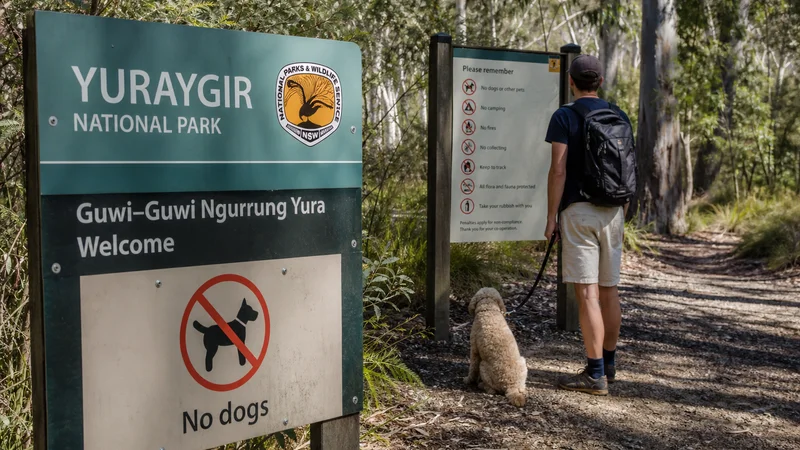
Pets and native wildlife in Australia: where dogs and cats are prohibited is easiest to understand by treating most national parks as a no-pet destination, then checking approved alternatives such as some regional parks and state forests. In NSW, official guidance says most national parks and reserves do not permit dogs or other pets. Some regional parks allow dogs under effective control, while all NSW State forests welcome dogs. Rules still vary by site, so confirm them before departure.
This guide addresses three practical problems: identifying the likely restriction, finding a lawful alternative, and preparing for a trip without putting wildlife or your pet at risk.
Why pets and native wildlife in Australia need separate spaces
The bottom line is simple: natural areas are managed for conservation, so a pet-friendly assumption can create problems for wildlife and park managers. However, Australia does not have one single rule covering every type of public land. The relevant authority and land category matter.
Dogs and cats can affect a visit even when they remain close to their owner. Their presence may disturb native animals, create conflict with other visitors, or undermine the purpose of a protected area. The NSW National Parks and Wildlife Service states that dogs and other pets are not permitted in most NSW national parks and reserves (NSW Government, page accessed 2026; page undated).
That wording matters. “Most” does not mean every reserve follows an identical arrangement, and it does not authorise a pet in a particular park. Instead, treat the park’s current visitor information as the deciding source.
Use this quick classification before planning:
- National park or reserve: expect pets to be prohibited unless the park expressly states otherwise.
- Regional park: check the site rules; some NSW regional parks permit dogs under effective control.
- NSW State forest: NSW guidance says all State forests welcome dogs.
- Other land: check the responsible authority, because a national rule cannot be assumed.
This approach avoids the common mistake of relying on a previous visit or a general map label.
Pets and native wildlife in Australia: national parks and reserves
The practical answer is to leave ordinary pets at home when visiting most national parks and reserves. In NSW, dogs and other pets are not permitted in most of these areas, according to NSW National Parks and Wildlife Service guidance (NSW Government, page accessed 2026; page undated).
The restriction applies to more than dogs. The wording includes “other pets”, so owners should not assume that a cat in a carrier, a small dog, or another quiet companion automatically qualifies. If the official park information does not clearly allow pets, contact the managing authority before travelling.
Assistance animals need separate checking
Assistance animals may be covered by different arrangements from ordinary companion animals. The NSW “Pets in Parks” policy includes assistance animals among the matters it addresses. Therefore, an owner should check the current policy and the particular park’s instructions rather than apply the ordinary pet rule automatically.
Prepare the details before asking:
- Name the park, reserve or track.
- Explain whether the animal is a recognised assistance animal or a companion pet.
- Ask which access conditions apply.
- Save the response with your travel notes.
Driving through a park is not the same as visiting
The same NSW policy also covers driving through parks with pets. That detail is easy to miss, particularly on a long journey where an owner plans to keep a dog inside a vehicle.
Do not treat a drive-through route as permission to stop for a walk. Check whether the route, vehicle access and planned stops fall within the current conditions. If the guidance is unclear, choose a route that avoids entering the restricted area with the pet.


Pet Health Map App
Turn every worry into your pet’s health record
Download the app to save AI Care reports, build your pet’s medical profile, and keep tracking symptoms and care notes.
Android version coming soon. The web version is available now.
Where you can still walk your dog: regional parks and State forests
The better alternative is to select land that expressly accommodates dogs, then follow its local conditions. NSW guidance says dogs are permitted in some regional parks when kept under effective control. It also says all NSW State forests welcome dogs (NSW National Parks and Wildlife Service, NSW Government, page accessed 2026; page undated).
“Under effective control” should guide your behaviour, not just your equipment. Keep your dog close enough to respond immediately, prevent it approaching wildlife or people, and follow any signs or site-specific instructions. The source confirms the requirement, but it does not define one universal distance or lead length for every regional park.
Compare the likely options
| Destination | What NSW guidance says | What to do |
|---|---|---|
| National parks and reserves | Dogs and other pets are not permitted in most | Check the individual site before entering |
| Regional parks | Dogs are permitted in some | Confirm the park allows dogs and keep yours under effective control |
| State forests | All NSW State forests welcome dogs | Check local visitor information before travelling |
The table is a planning aid, not a substitute for current local instructions. In addition, “welcome dogs” does not mean every activity or track has identical conditions.
Choose the route before you leave
Look up the exact entry point, not only the broader region. Record the name of the land manager, the permitted walking area and any instructions displayed for dog owners. Pack water, waste bags and a secure lead even when the destination allows dogs.
Most importantly, never use a regional park or State forest as a reason to enter a nearby national park with the same pet. Similar scenery does not mean similar rules.
Cats, roaming and native wildlife: the bigger picture
The safest plan for cats is to keep them out of protected natural areas unless the managing authority clearly permits access. NSW national park guidance covers dogs and other pets, while the broader policy also addresses responsible pet access (NSW National Parks and Wildlife Service, NSW Government, page accessed 2026; page undated).
Cats can be harder to manage outdoors because owners may expect them to travel quietly or remain near a vehicle. That assumption is unsafe for trip planning. A cat that leaves a carrier or vehicle can enter habitat, approach wildlife or become difficult to recover.
Use a containment plan
If a cat must travel near a natural area, keep it secured inside the vehicle or an appropriate carrier unless the authority confirms another arrangement. Do not release it for exercise at a park entrance, roadside reserve or trailhead without checking the land rules.
Before leaving, prepare:
- A secure carrier that the cat cannot push open.
- Water and a familiar absorbent layer.
- A current identification method.
- A plan for breaks outside restricted land.
- The phone number or website of the relevant land manager.
The aim is not to find a loophole. It is to prevent an unplanned release from becoming a wildlife or compliance problem.
What happens if you break the rules?
The correct answer depends on the land manager and the specific rule. The available NSW source confirms restrictions and directs readers to the “Pets in Parks” policy, but it does not provide a universal penalty figure or one consequence for every location. Therefore, do not rely on online claims about fines unless the responsible authority confirms them.
At a practical level, entering a restricted area with a pet can force you to change your route immediately. You may need to leave, return to your vehicle or find an approved alternative. The exact response should be checked with the authority responsible for that park.
Record the rule before travelling
A simple “ABCD check” makes the decision easier:
- A — Authority: who manages the land?
- B — Boundary: are you entering a national park, reserve, regional park or State forest?
- C — Companion: is your animal an ordinary pet or an assistance animal?
- D — Direction: what does the current official guidance say?
Save a screenshot or note of the page you checked. Also, photograph entrance signage if it provides site-specific instructions. This record will not replace compliance, but it reduces confusion when several adjoining reserves have different rules.
If you discover a restriction only after arrival, do not argue from the appearance of the track or the absence of a ranger. Turn around and use your pre-planned alternative.
Planning a trip with your pet
The best trip plan separates the wildlife visit from the pet exercise stop. Choose an approved dog-walking area before you reach the protected area, and arrange safe containment for cats. This prevents a rushed decision at a gate or car park.
Use this pre-departure checklist
- Identify the exact park or forest name.
- Check the current official pet policy.
- Confirm whether the land is a national park, regional park or State forest.
- Check whether the rule applies to dogs, cats and other pets.
- Review assistance-animal instructions if relevant.
- Save the official page and contact details.
- Plan a lawful alternative route.
- Pack a lead, carrier, water and waste bags.
- Keep pets away from wildlife and park infrastructure.
- Recheck the information before departure.
Rules can change, and adjoining land can have different managers. Therefore, repeat the check for every destination rather than copying yesterday’s itinerary.
For NSW travellers, the NSW National Parks and Wildlife Service “Pets in Parks” policy is the key starting point. For another Australian state or territory, check that jurisdiction’s official parks authority. The available source supports NSW guidance, not a single Australia-wide rule.
Conclusion: make the wildlife-first choice
Pets and native wildlife in Australia: where dogs and cats are prohibited is not a question with one national map or one universal exception. For NSW planning, assume most national parks and reserves prohibit dogs and other pets. Then check whether a regional park permits dogs under effective control or whether a State forest suits your route.
Use the ABCD check: confirm the authority, boundary, companion animal and current direction. Keep cats contained, prepare an approved dog-walking alternative, and save the official guidance before leaving. For your next trip, check the exact destination with the responsible parks authority rather than relying on a previous visit or a general map.