Dog Attack Law Australia: 2026 Owner Guide
If a dog attacks a person or animal in Australia, the local council investigates first and can issue a Notice of Intention to declare the dog dangerous or menacing; owners can then face state-based fines running into the tens of thousands of dollars, up to A$100,000 in the most serious cases (plus possible jail time), depending on the state and severity of the attack, and can also be sued for civil compensation.
A dog attack can trigger several processes at once. Council may investigate the incident, state law may impose penalties, and the injured person may pursue compensation separately. The outcome depends on where the attack occurred, the injury caused, the dog’s existing classification and whether anyone deliberately encouraged the attack.
This guide explains how the dog attack law Australia framework generally works, using New South Wales as a practical example. It also compares selected state penalties, explains owner liability and gives you a clear action plan after an incident.
How Dog Attack Law Australia Investigations Begin
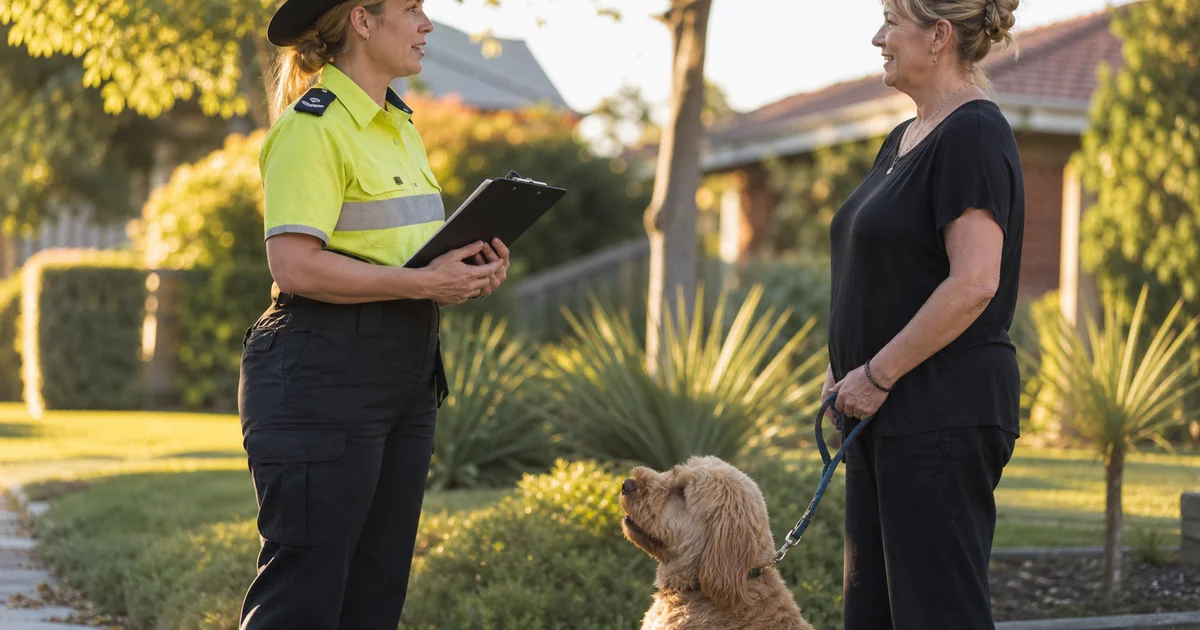
The local council usually handles the initial dog attack complaint, rather than the police. Councils apply their state’s legislation, such as the Companion Animals Act 1998 in NSW, the Dog and Cat Management Act 1995 in South Australia or the Domestic Animals Act 1994 in Victoria.
A council investigation may involve:
- Taking statements from the dog owner, injured person and witnesses
- Reviewing photographs, video footage and medical or veterinary records
- Confirming the dog’s registration and microchipping, identification and previous history
- Assessing whether the dog attacked, chased, harassed or injured a person or animal
- Considering whether the dog needs a dangerous or menacing classification
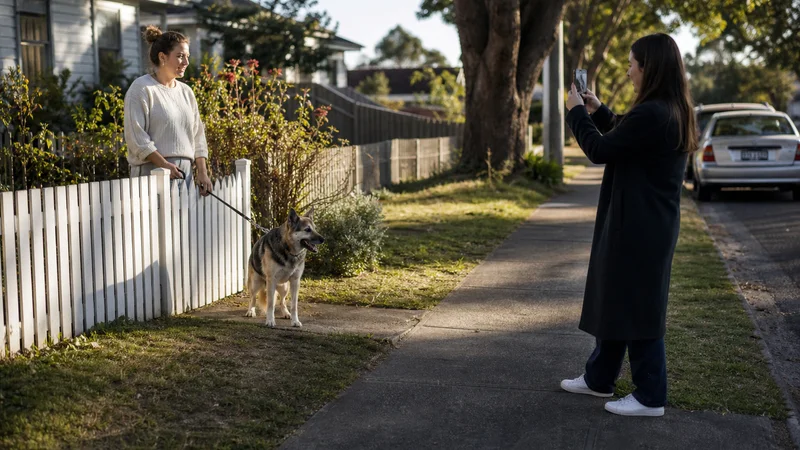
Therefore, record the incident while details remain fresh. Write down the date, time, location, dogs involved, injuries, witnesses and what happened immediately before the attack. Keep copies of council emails, veterinary invoices, medical records and photographs.
In NSW, the Office of Local Government states that owners can be liable when their dog attacks a person or another animal. The council may also consider whether the owner breached containment or effective control duties under the applicable legislation (Office of Local Government NSW, 2026).
The exact reporting pathway differs between councils. Contact the council where the incident occurred and ask which form, evidence and reporting timeframe apply. If someone has suffered a serious injury, contact emergency services before dealing with administrative steps.
The Dangerous Dog Declaration Process in NSW
In NSW, a council generally issues a Notice of Intention before declaring a dog dangerous or menacing. The owner can lodge an objection, so the notice should not be ignored.
The process commonly follows this sequence:
- Council investigates the alleged attack or behaviour.
- Council issues a Notice of Intention to declare the dog dangerous or menacing.
- The owner reviews the notice and lodges an objection within the stated period, if appropriate.
- Council considers the objection and available evidence.
- If declared, the owner must follow the applicable control requirements.
A declaration can create substantial ongoing obligations. Depending on the classification and circumstances, NSW requirements may include desexing the dog within the prescribed period, paying an annual permit fee, maintaining a compliant enclosure and using a muzzle in public. Confirm the current conditions with the issuing council because requirements can depend on the declaration and may change.
Do not assume an objection automatically suspends every requirement. Read the notice carefully and ask the council what applies while the objection is being considered. A practical mistake owners make is waiting for a phone call instead of responding to the written notice by its deadline.
NSW provides the clearest worked example, but it is not a national procedure. South Australia and Victoria operate under different legislation and may use different notices, classifications, review rights and control conditions.



Pet Health Map App
Turn every worry into your pet’s health record
Download the app to save AI Care reports, build your pet’s medical profile, and keep tracking symptoms and care notes.
Android version coming soon. The web version is available now.
Dog Attack Penalties by Australian State
There is no single Australia-wide dog attack penalty. State and territory laws set different offences, maximum fines and imprisonment terms, while councils may also take regulatory action.
| Jurisdiction | Example of published maximum penalty or consequence | Source position |
|---|---|---|
| NSW | Up to A$77,000 and/or five years’ imprisonment for encouraging a declared dangerous dog to attack | Office of Local Government NSW, 2026 |
| South Australia | Up to A$25,000 where a dog seriously injures or kills; up to A$50,000 if the dog was already under a dangerous dog order | Department for Environment and Water SA, 2026 |
| South Australia | Up to A$100,000 or four years’ imprisonment for deliberately encouraging an attack | Department for Environment and Water SA, 2026 |
| Victoria | Setting a dog to deliberately attack a person or animal can carry up to six months’ imprisonment | Agriculture Victoria, 2026 |
South Australia’s tougher reforms took effect on 17 November 2025. The Department for Environment and Water SA states that the higher penalties apply under the reformed framework (Department for Environment and Water SA, 2026).
The SA Law Handbook still lists an earlier maximum of A$50,000 or two years’ imprisonment under section 44(1) of the Dog and Cat Management Act 1995. That figure predates the November 2025 reform, so treat it as superseded for current guidance (SA Law Handbook, current page referring to earlier law).
These examples do not cover every offence or all eight Australian states and territories. The penalty may depend on the injury, the dog’s status, the owner’s conduct and whether the attack was deliberate. Check the current legislation, state government guidance and local council position before relying on a figure. A dog that is already subject to a declaration may also fall under Australia’s restricted and dangerous dog breed rules, which add separate ownership conditions on top of any council penalty.
Owner Liability and Civil Compensation After an Attack
A council or criminal penalty does not necessarily end the matter. An injured person may also bring a separate civil claim for compensation.
Potential losses can include:
- Medical treatment and rehabilitation
- Lost income or reduced earning capacity
- Psychological harm, where legally recognised
- Veterinary treatment for an injured animal
- Property damage and related expenses
For example, imagine a Cavoodle owner in Sydney whose dog escapes and bites a jogger. Council may investigate the attack and consider regulatory action. Separately, the jogger might seek compensation for treatment costs and other losses. This is a hypothetical illustration, not a report of a real case.
The owner’s liability depends on the applicable state law, the evidence and the circumstances. The injured person may need to prove matters such as the attack, the injury and the losses claimed. Conversely, an owner should preserve evidence that may explain what occurred, including photographs of gates, leads, fencing, warning signs and the dog’s location.
Do not admit legal liability casually in messages or social media posts. Be courteous, provide accurate contact details and notify your insurer promptly. Ask a qualified solicitor for advice if someone demands payment, threatens proceedings or reports a significant injury.
What To Do If Your Dog Is Involved
Your immediate priority is safety, followed by accurate reporting. Avoid putting your hands between fighting animals. Use distance, barriers or other safe methods to separate them, and seek urgent medical or veterinary care when required.
Use this SAFE record as a practical memory hook:
- S — Separate safely: prevent another bite without placing yourself at risk.
- A — Assess injuries: arrange medical or veterinary care, even when wounds look minor.
- F — Facts and contacts: exchange names, phone numbers, addresses and witness details.
- E — Evidence and escalation: photograph injuries and the scene, preserve records, and contact council.
Then take these steps:
- Ask the council where the attack occurred how to report it.
- Keep the dog secure and follow any official direction.
- Cooperate with the investigation, while keeping your own records.
- Read any Notice of Intention carefully.
- Lodge an objection by the stated deadline if you believe the proposed declaration is wrong.
- Check your pet insurance policy for third-party liability exclusions and notification requirements.
Never surrender, move or rehome the dog to avoid an investigation without obtaining proper advice. That step could create further welfare, regulatory or evidential problems.
Getting Help With a Dog Attack Law Australia Matter
The best next step depends on whether you are the dog owner, the injured person or the owner of an injured animal. Each person should keep an independent file containing dates, names, reference numbers, photographs and receipts.
For owners, request the council’s written allegations and applicable deadlines. Ask whether the dog has been seized, whether interim controls apply and how to lodge an objection. For injured people, seek medical or veterinary documentation and keep a diary of expenses and recovery.
A solicitor can help with a council objection, prosecution risk or civil compensation claim. Your insurer may also appoint a lawyer, but confirm what the policy covers before assuming it will fund every dispute.
The dog attack law Australia framework is state-based and can change, as South Australia’s 2025 reforms demonstrate. Use government and council information for the current rules, rather than relying on an old online penalty table.
Conclusion: Act Quickly and Check Your State Rules
Dog attack law Australia is not one national offence with one standard fine. Council usually investigates first, while state legislation determines declarations, control requirements and criminal penalties. A separate civil compensation claim may also follow.
If an incident occurs, separate the animals safely, obtain medical or veterinary care, preserve evidence and contact the relevant council. Read every notice carefully and meet its deadline. Because rules differ between NSW, South Australia, Victoria and other jurisdictions, confirm the current position with your state government, council, insurer or a qualified solicitor.
If you have received a council notice or compensation demand, organise your records today and obtain advice before responding in detail.